
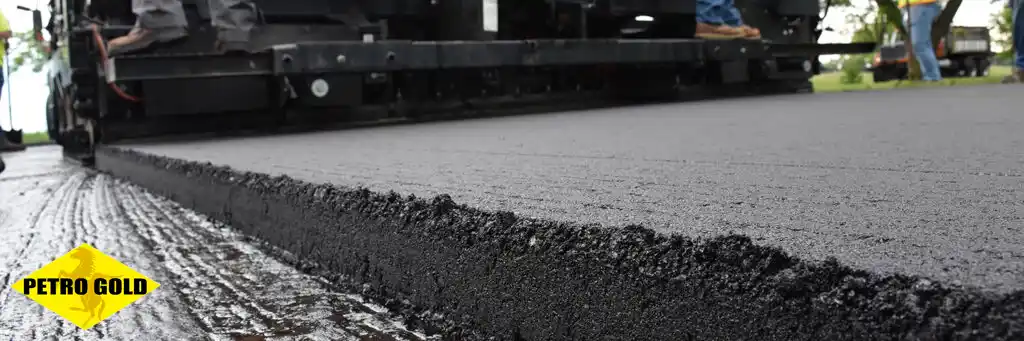
Smart asphalt represents a new way of thinking about road construction. Instead of acting as a passive surface, this advanced asphalt system responds to traffic loads, temperature changes, and long-term stress. As a result, roads last longer, perform better, and require fewer unexpected repairs.
Infrastructure owners now face higher traffic volumes, heavier vehicles, and stricter safety expectations. Because of this, intelligent asphalt solutions have become a practical answer to modern road challenges rather than an experimental idea.
Understanding Smart Asphalt Technology
Smart asphalt refers to asphalt pavement designed to monitor, adapt, and perform beyond traditional expectations. Engineers enhance the asphalt mixture with advanced binders, conductive materials, and monitoring elements that allow the pavement to react to real-world conditions.
Unlike conventional asphalt, this system supports data collection and performance control throughout its service life. Road authorities can track temperature shifts, structural stress, and early signs of damage without relying only on visual inspections.
How Smart Asphalt Systems Work
Smart asphalt systems rely on a combination of material engineering and embedded technology.
First, specialists select a high-performance binder that maintains flexibility and strength under changing conditions. Then, they integrate sensors or conductive components within the asphalt layers. These elements measure strain, traffic impact, and environmental effects in real time.
Because of this structure, engineers can identify potential failures long before cracks or rutting appear on the surface.
Key Components Used in Smart Road Construction
Several components work together to create an intelligent pavement:
Performance-enhanced bitumen binders
Conductive additives for data transmission or heating
Embedded sensors for condition monitoring
Software systems for performance analysis
Each element supports durability, safety, and long-term cost control.
Why Smart Asphalt Matters for Road Owners
Traditional roads require frequent inspections and reactive maintenance. In contrast, smart asphalt supports predictive maintenance.
This approach allows infrastructure managers to:
Reduce emergency repairs
Extend pavement lifespan
Improve traffic safety
Lower lifecycle costs
As maintenance budgets tighten worldwide, these advantages make intelligent road materials increasingly attractive.
The Importance of Bitumen Selection in Intelligent Pavements
Binder quality directly affects the success of smart asphalt systems. Even the most advanced sensors cannot compensate for weak or unstable bitumen.
For applications that demand high thermal resistance and structural stability, oxidized grades such as bitumen 115/15 play an important role. This grade performs well in layers exposed to heat, pressure, and long-term loading, especially in specialized infrastructure zones.
Choosing the right binder ensures that the intelligent features operate on a stable foundation.
Comparison Between Smart and Conventional Asphalt
Conventional asphalt focuses mainly on initial strength and flexibility. Intelligent asphalt systems focus on long-term performance and data-driven maintenance.
Key differences include:
Continuous condition monitoring
Earlier damage detection
Reduced unexpected failures
Better planning for maintenance cycles
These differences translate directly into economic and operational benefits.
Applications Across Different Infrastructure Projects
Smart asphalt adapts well to many environments.
Urban Roads
Cities use intelligent pavement systems to manage traffic stress and reduce disruption caused by frequent repairs.
Highways
On highways, balanced penetration grades such as bitumen 60/70 support intelligent asphalt mixtures that must handle heavy vehicles while maintaining flexibility and fatigue resistance.
Airports and Industrial Areas
Runways and industrial roads benefit from continuous monitoring due to extreme loads and operational demands.
Construction and Surface Treatment Considerations
During construction and surface preparation, material behavior matters as much as final performance.
Cutback binders like bitumen mc70 support proper penetration and bonding in specific construction phases. When used correctly, these materials contribute to surface quality and long-term performance, especially in projects requiring fast curing and reliable adhesion.
Sustainability Benefits of Smart Asphalt
Intelligent asphalt systems support sustainability goals by reducing material waste and extending pavement life. Fewer repairs mean lower fuel consumption, reduced emissions, and less disruption to traffic.
Some systems also support energy-related functions, such as heat generation or integration with renewable technologies. These features align well with modern environmental policies and smart city planning.
Maintenance and Lifecycle Advantages
Smart asphalt changes how maintenance teams operate.
Instead of reacting to visible damage, engineers rely on performance data. This allows targeted interventions at the right time and location. Over a full lifecycle, intelligent pavement systems often cost less than traditional roads despite higher initial investment.
Challenges to Consider
Although the benefits are clear, intelligent asphalt still faces challenges:
Higher upfront costs
Need for skilled installation
Requirement for data management infrastructure
However, wider adoption continues to reduce these barriers year after year.
The Future of Intelligent Road Materials
As transportation networks evolve, roads will play a more active role. Future pavements will communicate with vehicles, support autonomous systems, and adapt to environmental changes automatically.
Smart asphalt forms the physical backbone of this future by combining proven bitumen technology with intelligent design.
Final Conclusion
Smart asphalt offers a practical and forward-looking solution for modern infrastructure needs. By combining high-quality bitumen, advanced materials, and real-time monitoring, intelligent road systems deliver longer service life, improved safety, and better economic performance.
As traffic demands and environmental pressures increase, smart asphalt will continue to define how durable, efficient, and intelligent roads are built.