
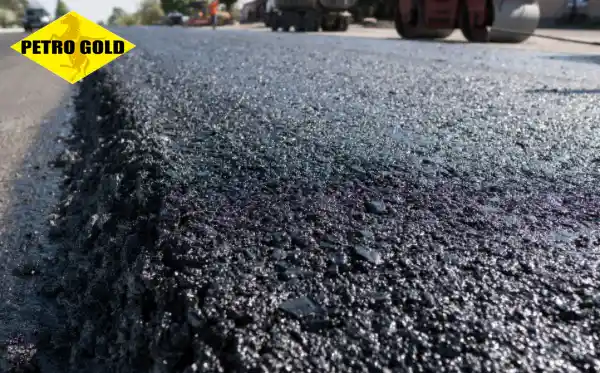
Recycled bitumen is not just a trend. It is a practical, field proven solution for reducing costs, lowering environmental impact, and improving material efficiency in modern road and waterproofing projects. At Petro Gold, we have seen how reclaimed asphalt and recovered binders can be processed, tested, and upgraded to deliver reliable performance in real industrial conditions. Contractors, asphalt plant managers, and procurement teams choose recycled bitumen because it reduces raw material consumption while maintaining the strength and durability required in today’s infrastructure.
In this article, we explain what recycled bitumen is, how it is produced, where it performs best, and how buyers can evaluate its quality before committing to bulk supply.
What Is Recycled Bitumen?
Recycled bitumen is recovered asphalt binder obtained from reclaimed asphalt pavement (RAP), old roofing membranes, or industrial asphalt waste. Instead of discarding aged asphalt materials, specialized plants crush, screen, and process them to extract reusable binder.
The key point is simple: asphalt is 100% recyclable. The aggregates and bitumen inside old pavement still hold value. When properly processed, the aged binder can be rejuvenated and blended with fresh materials to create a balanced, high performance product.
However, recycled bitumen is not simply “old asphalt.” The material must pass strict testing. Penetration, softening point, viscosity, ductility, and aging resistance are carefully measured before approval for new projects.
Why the Industry Is Moving Toward Recycled Bitumen
From our experience in international supply, there are four main reasons buyers are shifting toward recycled solutions:
1. Cost Efficiency
Virgin bitumen prices fluctuate with crude oil markets. By integrating recycled binder, producers reduce dependence on raw refinery supply. This directly lowers production cost per ton of asphalt mix.
2. Environmental Responsibility
Governments and contractors face pressure to reduce carbon emissions. Recycling asphalt significantly reduces energy use compared to producing entirely new binder.
3. Resource Optimization
Bitumen production requires crude oil refining. Using recovered binder extends the life cycle of petroleum resources.
4. Infrastructure Demand
Road rehabilitation projects generate large volumes of reclaimed asphalt. Instead of disposal, these materials return to the production chain.
For many contractors, recycled bitumen is no longer optional. It is becoming part of tender requirements and sustainability scoring systems.
How Recycled Bitumen Is Produced
The production process must be controlled carefully to ensure consistency.
Step 1: Collection of Reclaimed Asphalt
Old pavement is milled and transported to a processing facility. The RAP material contains aggregates coated with aged binder.
Step 2: Crushing and Screening
Material is crushed and separated into uniform sizes. This ensures consistent blending ratios later.
Step 3: Binder Activation
The aged binder in RAP is stiff due to oxidation. Rejuvenating agents are added to restore flexibility and ductility.
Step 4: Blending
Recycled binder is blended with virgin bitumen when required. Depending on project design, blending ratios can vary between 10% and 50% or more.
Step 5: Quality Control Testing
Each batch undergoes laboratory testing. Penetration value, softening point, and viscosity must fall within specified limits.
Without strict QC control, recycled bitumen performance becomes unpredictable. That is why experienced suppliers focus heavily on laboratory verification before shipment.
Performance Characteristics
Recycled bitumen performance depends on three factors:
Quality of reclaimed material
Correct rejuvenator selection
Proper blending ratio
When these three elements are balanced, the final product can match the performance of conventional grades such as bitumen 60/70 used in many road construction projects.
The key is restoring flexibility. Oxidized binder becomes brittle over time. Rejuvenation restores molecular balance and improves resistance to cracking.
In properly engineered asphalt mixes, recycled binder offers:
Good fatigue resistance
Strong adhesion to aggregates
Stable viscosity during mixing
Acceptable rutting resistance
The final results depend more on formulation control than on the recycled origin of the material.
Applications of Recycled Bitumen
Recycled bitumen works well in several sectors:
Road Base and Binder Courses
High RAP content is common in base layers where structural strength is the priority.
Surface Asphalt Layers
With controlled blending and additives, recycled binder can also perform in wearing courses.
Industrial Waterproofing
Recovered bitumen can be processed and upgraded for certain waterproofing applications, depending on specifications.
Cutback and Modified Systems
In some cases, recycled binder is blended into cutback products similar to bitumen mc 70, provided viscosity and curing properties are carefully controlled.
Oxidized Applications
When treated and processed further, recovered binder may contribute to products in blown or oxidized categories comparable to bitumen 115/15 used in roofing and insulation systems.
Each application requires a different formulation strategy. Buyers should never assume one recycled grade fits all uses.
Quality Control: What Buyers Must Check
If you are evaluating recycled bitumen for supply, focus on the following tests:
Penetration Test
This indicates hardness. Too stiff means cracking risk. Too soft means rutting risk.
Softening Point
Shows temperature resistance. High temperatures demand stable softening values.
Ductility
Ensures flexibility under stress.
Flash Point
Important for safety during heating and transport.
Aging Simulation
Rolling Thin Film Oven (RTFO) tests show performance after heat exposure.
Always request a Certificate of Analysis for each batch. Recycled material quality varies more than virgin refinery output. Therefore, batch by batch verification is essential.
Common Misconceptions About Recycled Bitumen
“It Is Lower Quality”
Not necessarily. Poor processing leads to poor quality. Properly engineered recycled binder performs reliably.
“It Cannot Be Used in Major Highways”
Many advanced countries use high RAP percentages even in major road networks.
“It Is Only for Temporary Roads”
Modern rejuvenation technologies allow durable long term applications.
The difference lies in engineering control, not in the recycled nature of the material.
Economic Advantage for Contractors
From a procurement perspective, recycled bitumen offers measurable financial benefits:
Lower raw material cost
Reduced waste disposal fees
Less dependency on crude oil pricing
Improved sustainability score in tenders
For asphalt plants operating at high volume, even a small cost reduction per ton results in significant annual savings.
However, cost should never override performance. Poor formulation leads to early pavement failure, which costs far more than initial savings.
Sustainability and Environmental Impact
Recycled bitumen supports circular economy principles. Instead of extracting new resources, the industry reuses existing materials.
Benefits include:
Reduced CO₂ emissions
Lower energy consumption
Decreased landfill waste
Extended material life cycle
Many infrastructure authorities now encourage minimum recycled content in asphalt mixtures.
For international exporters, offering recycled solutions strengthens market positioning in environmentally regulated regions.
Logistics and Handling
Recycled bitumen handling is similar to conventional binder. It requires:
Controlled heating temperature
Proper insulation during transport
Clean storage tanks
Agitation if blended
Overheating must be avoided. Excess heat accelerates aging and reduces binder life.
For bulk shipments, ISO tanks and bitumen tankers remain standard transport options.
When Should You Choose Recycled Bitumen?
Recycled bitumen is ideal when:
The project includes sustainability requirements
Budget optimization is necessary
Reliable QC testing is available
The supplier demonstrates blending expertise
It may not be suitable when:
Project specifications strictly require 100% virgin refinery binder
RAP quality is inconsistent
Laboratory control is limited
The decision should always be technical, not only financial.
The Future of Recycled Bitumen
Technology is evolving rapidly. Advanced rejuvenators, polymer modification systems, and digital mix design tools are improving recycled binder performance every year.
We expect higher RAP percentages in asphalt production globally. As sustainability becomes central in infrastructure planning, recycled bitumen will play a larger role in road and waterproofing systems.
For suppliers and contractors, the competitive advantage will belong to those who combine sustainability with strict quality control.
Final Thoughts
Recycled bitumen is no longer an experimental material. When processed correctly, it delivers economic efficiency, environmental benefits, and dependable performance. The key is professional production, laboratory validation, and transparent documentation.
At Petro gold, we understand that buyers do not just purchase binder — they purchase reliability. Whether using recycled blends or conventional grades, what matters most is consistency, technical support, and compliance with project specifications.
If you are considering recycled bitumen for your next project, evaluate the supplier’s quality system, blending expertise, and testing capability. Done properly, recycled solutions can strengthen both your budget and your sustainability strategy.
FAQs
1. Is recycled bitumen suitable for highway construction?
Yes, when properly processed and tested, recycled binder can be used in highway projects with approved mix design.
2. Does recycled bitumen reduce pavement life?
Not if blending and rejuvenation are correctly engineered. Performance depends on formulation control.
3. Is recycled bitumen cheaper than virgin bitumen?
Generally yes, but final cost depends on processing, blending ratio, and local RAP availability.