
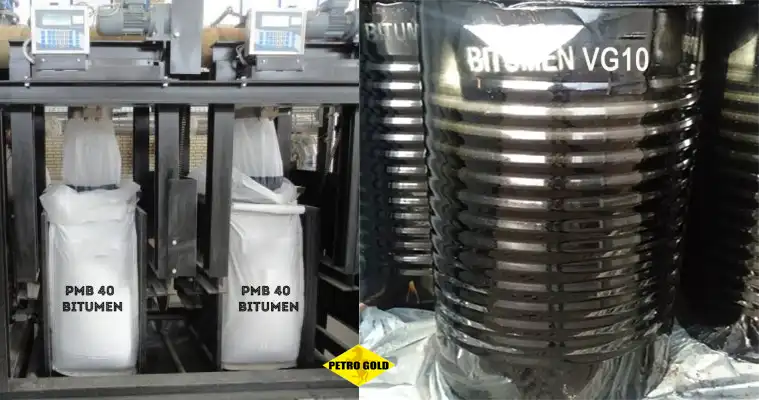
The comparison of PMB vs VG bitumen matters because road builders must choose the right binder for traffic load, weather, pavement design, and project budget. Contractors, asphalt producers, highway agencies, and procurement teams often compare polymer modified bitumen and viscosity grade bitumen before they approve a road construction material. Each option supports different pavement goals, so the right choice can improve road life, reduce maintenance, and support smoother asphalt performance.
PMB bitumen performs well in demanding pavement conditions. Engineers often select it for heavy traffic corridors, expressways, airport runways, toll roads, bridge decks, and urban roads that face high stress. On the other hand, VG bitumen supports many standard road works where contractors need consistent viscosity, easier handling, and proven asphalt mix performance.
However, the best choice does not depend on one factor only. It depends on climate, axle load, pavement thickness, aggregate quality, asphalt plant setup, and expected service life. For example, a hot region with slow-moving heavy trucks needs strong rutting resistance. A cold or mixed-climate region needs better flexibility and crack resistance. Likewise, a premium highway project may justify a higher binder cost because better durability can reduce future repair costs.
That’s why buyers search for terms such as modified bitumen vs viscosity grade bitumen, PMB bitumen price, VG bitumen grades, road bitumen supplier, asphalt binder comparison, polymer modified asphalt binder, VG 30 bitumen, VG 40 bitumen, PMB 40, PMB 70, pavement grade bitumen, and bitumen for road construction. These related queries show one clear need: buyers want a practical comparison that helps them choose the right grade with confidence.
Key Performance Differences Between PMB and VG Bitumen
PMB and VG bitumen both serve road construction, but they deliver different performance levels. PMB gives stronger elastic recovery, better deformation resistance, and higher durability in severe conditions. VG bitumen gives predictable viscosity-based grading, simple handling, and strong performance in regular asphalt paving.
Temperature Resistance and Climate Suitability
Temperature plays a major role in binder selection. In hot climates, asphalt pavements often soften under intense heat. Heavy traffic then pushes the surface and creates rutting, bleeding, or waves. PMB helps control this issue because polymers improve binder stiffness at high temperatures while keeping enough flexibility for movement.
VG bitumen also performs well when engineers select the correct grade. VG 30 usually suits many standard road projects, while VG 40 supports roads with heavy traffic and higher pavement temperatures. Still, PMB often offers better performance in extreme heat, especially where slow-moving trucks create high pressure on the pavement.
In cooler conditions, flexibility matters more. A binder must handle pavement movement without early cracking. PMB can support better fatigue resistance and flexibility, depending on the polymer type and grade. VG bitumen can also perform well, but contractors must match the grade carefully with local climate and asphalt mix design.
Rutting Resistance Under Heavy Traffic
Rutting causes serious road damage because it creates permanent wheel-path depressions. Heavy trucks, buses, container traffic, and slow-moving vehicles increase this risk. PMB usually provides stronger rut resistance because the polymer network improves binder strength and elasticity. As a result, pavements can hold shape better under repeated loads.
VG bitumen works well for moderate and heavy traffic when designers select the right grade. VG 40, for example, offers higher viscosity and better resistance than lighter grades. However, for expressways, ports, industrial roads, and bus rapid transit routes, many engineers prefer PMB because it delivers higher resistance under severe loading.
Flexibility, Fatigue Life, and Crack Control
Roads face millions of load repetitions during their service life. Every truck pass creates stress. Over time, weak asphalt layers can crack. PMB helps improve fatigue life because polymers allow the binder to stretch and recover better. This makes it useful for high-performance asphalt mixes, stone mastic asphalt, dense bituminous macadam, and premium wearing courses.
VG bitumen provides reliable crack resistance when the pavement design, aggregate structure, and compaction quality remain strong. Yet PMB often gives an advantage in projects that demand longer service life and lower maintenance frequency.
PMB Bitumen Grades and VG Bitumen Grades
Grade selection shapes final pavement performance. Buyers should not choose a binder only by price. They should review traffic conditions, climate, project specifications, test results, and supplier consistency.
Popular PMB Grades for High-Performance Roads
Common PMB grades include PMB 40, PMB 70, and other polymer modified binder grades used for specialized road works. These grades support projects that demand high elasticity, better softening point, improved recovery, and stronger resistance to deformation.
Contractors often use PMB grades in:
- National highways and expressways
- Airport runways and taxiways
- Heavy-duty industrial roads
- Toll roads and bridge decks
- Urban roads with heavy stop-and-go traffic
- Premium asphalt wearing courses
PMB supports long pavement life when asphalt plants handle it correctly. Proper storage temperature, mixing control, and transport conditions help protect binder performance.
Common VG Grades for Standard Pavement Work
VG bitumen grades include VG 10, VG 20, VG 30, and VG 40. Among these, VG 30 and VG 40 receive strong demand in road construction. VG 30 suits many normal paving works, while VG 40 often supports heavy traffic roads and warmer regions.
VG grades work well in:
- City roads
- State highways
- Rural roads
- Parking areas
- Asphalt base layers
- Regular road maintenance
- Bituminous concrete and dense bituminous mixes
Viscosity Grade bitumen gives contractors a dependable option when the project does not need polymer modification. It also helps asphalt plants maintain practical production routines and steady mix workability.
Road Construction Applications
The PMB vs VG bitumen choice becomes clearer when buyers connect binder performance with actual road use.
Highways, Expressways, and Airport Runways
Highways and expressways face fast traffic, heavy axle loads, and long service expectations. Airport runways face high tire pressure, braking force, and strict safety demands. For these projects, PMB often offers a better technical fit because it improves rutting resistance, elasticity, and fatigue performance.
Still, VG bitumen can support highway projects when specifications allow it and traffic remains within design limits. VG 40 especially works well in high-temperature and heavy-load environments compared with lighter grades.
Urban Roads, Parking Areas, and Industrial Pavements
Urban roads face repeated braking, turning, and slow movement. Bus lanes, roundabouts, intersections, and container yards create high stress. PMB helps in these areas because it resists deformation and surface distress.
For standard city roads, parking areas, and maintenance overlays, VG bitumen often gives a cost-effective solution. It supports good asphalt performance when contractors use proper aggregate gradation, binder content, mixing temperature, laying temperature, and compaction.
Cost, Durability, and Long-Term Value
Many buyers compare PMB vs VG bitumen through price first. VG bitumen usually costs less than PMB because it does not include polymer modification. This lower initial cost makes VG bitumen attractive for regular road projects and large-volume paving.
However, PMB can deliver better long-term value in high-stress conditions. Although it may cost more at the purchase stage, it can reduce rutting, cracking, resurfacing, and maintenance expenses. Therefore, PMB often makes sense for roads where failure would create high repair costs, traffic delays, or safety issues.
A simple way to compare value is to look beyond the binder price. Buyers should calculate:
| Selection Factor | PMB Bitumen | VG Bitumen |
|---|---|---|
| Initial cost | Higher | Lower |
| Heavy traffic performance | Stronger | Good with right grade |
| Rutting resistance | Excellent | Moderate to strong |
| Crack resistance | Strong | Good |
| Maintenance reduction | High potential | Project-dependent |
| Best use | Premium and heavy-duty roads | Standard and regular roads |
So, the smart choice depends on total life-cycle cost, not only the purchase price.
Quality Testing and Technical Selection Factors
Reliable road performance starts with tested material. Buyers should check important technical properties before placing large orders. These may include viscosity, penetration, softening point, ductility, elastic recovery, storage stability, flash point, specific gravity, and aging behavior.
For PMB, elastic recovery and storage stability matter a lot because polymer distribution affects final performance. For VG bitumen, viscosity consistency plays a major role because the grade depends on flow behavior at specified temperatures.
Contractors should also review compatibility with aggregates. Strong adhesion between binder and aggregate helps prevent stripping and moisture damage. In wet regions, anti-stripping additives may support better pavement durability.
In addition, asphalt plant teams should control heating carefully. Overheating can damage binder quality, while underheating can reduce coating and workability. Good handling protects both PMB and VG bitumen during storage, transport, mixing, and paving.
For general road material standards and testing references, buyers can also review resources from organizations such as ASTM International, which publishes widely used material testing standards.
Petro Gold as Supplier of PMB Bitumen and VG Bitumen Grades
Petro Gold supplies PMB bitumen and VG bitumen grades for road construction, asphalt production, and infrastructure projects. Buyers who need polymer modified bitumen, viscosity grade bitumen, road paving bitumen, asphalt binder, VG 30, VG 40, PMB grades, and bulk bitumen supply can consider Petro Gold for project-based requirements.
A reliable supplier helps buyers maintain consistent quality, correct documentation, suitable packing, timely shipment, and grade availability. This matters because bitumen performance depends not only on grade selection but also on supply reliability. Delayed delivery, inconsistent quality, or poor handling can affect asphalt production and project timelines.
Petro Gold can support contractors, traders, road developers, and asphalt plants that need PMB bitumen and VG bitumen grades for different pavement conditions. For premium roads, PMB grades can support stronger durability and heavy-load resistance. For regular paving, VG grades can support practical workability and cost control.
When buyers compare suppliers, they should request technical data sheets, test reports, grade confirmation, packaging details, loading terms, and shipment support. This approach helps them choose the right material for each road layer and project specification.
FAQs About PMB vs VG Bitumen
1. Which is better for heavy traffic: PMB or VG bitumen?
PMB usually performs better under heavy traffic because it offers stronger rutting resistance, better elasticity, and improved fatigue life. However, VG 40 can also support heavy traffic when the project specification allows it.
2. Is VG 30 suitable for road construction?
Yes, VG 30 suits many road construction projects, including city roads, highways, overlays, and asphalt mixes. It remains one of the most commonly used viscosity grade bitumen options.
3. When should contractors choose PMB bitumen?
Contractors should choose PMB bitumen for high-stress roads, hot climates, heavy truck routes, airport pavements, bridge decks, and premium asphalt layers that need longer service life.
4. Does PMB cost more than VG bitumen?
Yes, PMB usually costs more because it contains polymer modification. Still, it can offer better long-term value by reducing pavement damage and maintenance frequency.
5. Can Petro Gold supply both PMB and VG bitumen grades?
Yes. Petro Gold supplies PMB bitumen and VG bitumen grades for road construction, asphalt plants, and infrastructure projects.
6. Which VG grade works best in hot climates?
VG 40 often works better in hot climates and heavy-load conditions because it has higher viscosity than lighter grades. Project engineers should still confirm the final grade through local specifications.
7. Why do road contractors compare PMB vs VG bitumen before buying?
They compare both options to match binder performance with climate, traffic load, pavement design, budget, and service-life goals.
Conclusion
The PMB vs VG bitumen comparison helps road builders choose the right binder for better pavement performance. PMB offers stronger rutting resistance, better flexibility, higher durability, and strong value for heavy-duty roads. VG bitumen offers reliable viscosity-based performance, easier handling, and cost-effective use in many standard road projects.
For highways, airports, industrial roads, and high-traffic zones, PMB often gives the stronger technical solution. For city roads, regular highways, maintenance works, and standard asphalt layers, VG grades such as VG 30 and VG 40 can deliver dependable results. Petro Gold supplies PMB bitumen and VG bitumen grades, helping contractors and buyers source suitable material for different construction needs.