

Bitumen Container Loading Capacity determines how much asphalt bitumen exporters can safely transport in a 20ft or 40ft shipping container. A standard 20ft container commonly carries around 18–22 metric tons of packaged bitumen, depending on drum size, jumbo bag dimensions, packaging weight, and legal payload restrictions. However, the actual loading quantity varies considerably between steel […]

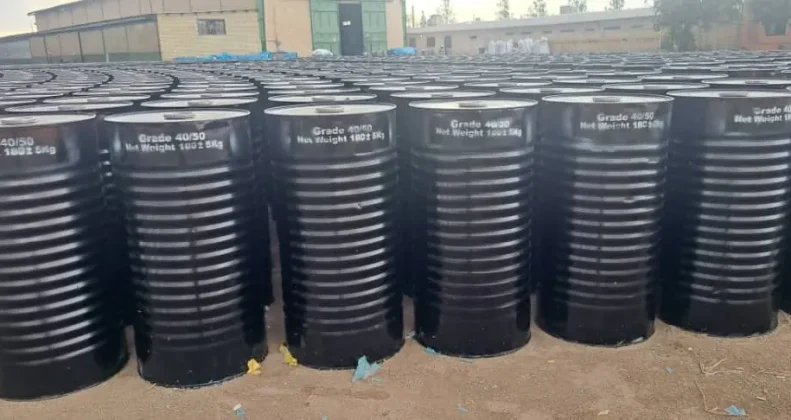

Choosing between Foamed Bitumen vs Bitumen Emulsion can significantly affect pavement construction cost, moisture resistance, curing time, equipment requirements, and long-term road performance. Both technologies allow contractors to reduce the need for conventional hot-mix production, yet they behave very differently during mixing, placement, compaction, and curing. The right option depends on aggregate condition, road design, […]

Choosing the right bitumen solution directly affects the durability, flexibility, and long-term performance of roofing systems, waterproofing projects, and industrial applications. Among the most widely used options, the comparison between Oxidized Bitumen vs Polymer Modified Bitumen helps engineers, contractors, and buyers select the right material based on project requirements. Both materials provide reliable waterproofing and […]

Understanding Bitumen Quantity Calculation Bitumen quantity calculation is one of the most important steps in road construction, waterproofing, pavement maintenance, and industrial coating projects. Accurate estimation helps contractors control costs, reduce material waste, and improve project efficiency. Whether you are constructing a highway, repairing a parking lot, or applying a waterproofing layer, calculating the correct […]

When comparing Blacktop vs Asphalt, many property owners, contractors, developers, and facility managers want to know which surface delivers better performance, lower maintenance costs, and longer service life. Although people often use these terms interchangeably, important distinctions exist in composition, appearance, installation, durability, and ideal applications. Understanding these differences helps you choose the right paving […]

The global demand for bitumen continues to rise as governments and private infrastructure developers invest heavily in road construction, airport projects, industrial zones, waterproofing systems, and urban development. Consequently, Iran has strengthened its position as one of the leading suppliers of high-quality bitumen to regional and international markets.Moreover, among the various transportation methods available, Bitumen […]
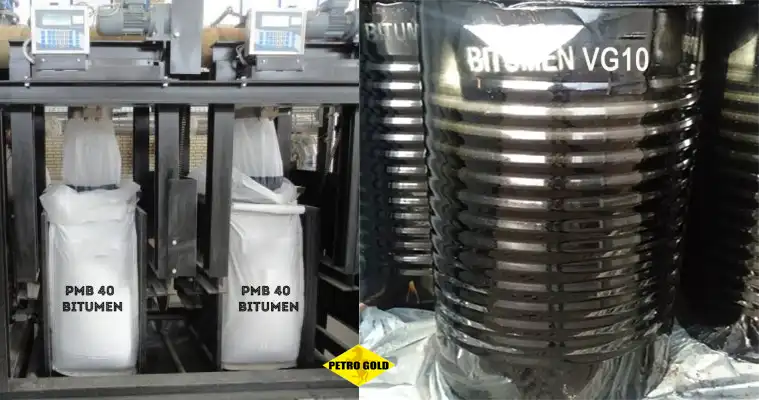
The comparison of PMB vs VG bitumen matters because road builders must choose the right binder for traffic load, weather, pavement design, and project budget. Contractors, asphalt producers, highway agencies, and procurement teams often compare polymer modified bitumen and viscosity grade bitumen before they approve a road construction material. Each option supports different pavement goals, […]
The construction sector in Pakistan depends heavily on high-quality paving materials, and bitumen plays a central role in this development. The demand for roads, highways, airports, and waterproofing systems continues to rise, making the need for a reliable bitumen supplier in Pakistan more important than ever. Bitumen is a petroleum-based binding material used in asphalt […]
The bitumen market Afghanistan is entering a strong growth phase in 2026. As infrastructure projects expand across the country, the need for high-quality construction materials continues to rise. Roads, highways, and urban developments all depend on bitumen as a core material. For buyers and contractors, understanding market trends helps them make better purchasing decisions and […]
In today’s construction landscape, selecting the right bitumen grade is no longer just a technical decision—it’s a strategic one. When comparing Bitumen 60/70 vs Bitumen VG 30, the conversation goes beyond simple classification and moves into performance, longevity, and overall project value. Both grades are widely used across global markets, yet their differences can directly impact road […]