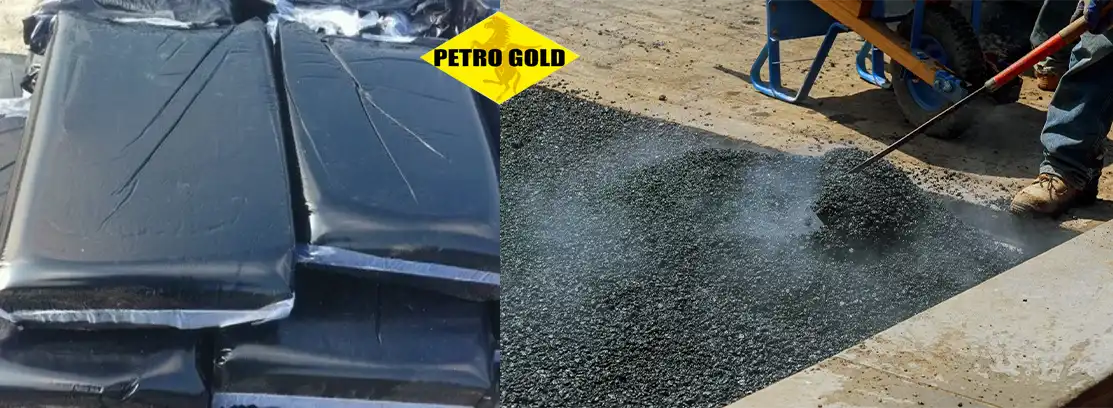
Choosing the right bitumen solution directly affects the durability, flexibility, and long-term performance of roofing systems, waterproofing projects, and industrial applications. Among the most widely used options, the comparison between Oxidized Bitumen vs Polymer Modified Bitumen helps engineers, contractors, and buyers select the right material based on project requirements.
Both materials provide reliable waterproofing and protection, but they perform differently under temperature changes, mechanical stress, weather exposure, and demanding environments. Understanding these differences allows professionals to make smarter decisions and achieve better project results.
Performance Comparison: Oxidized Bitumen vs Polymer Modified Bitumen
When comparing Oxidized Bitumen vs Polymer Modified Bitumen, performance under challenging conditions becomes one of the most important factors. Polymer Modified Bitumen generally provides higher flexibility and improved resistance to movement because manufacturers enhance its properties with advanced polymers.
Oxidized Bitumen offers strong stability and excellent resistance in applications where the material does not experience frequent movement or extreme temperature fluctuations. It maintains its structure effectively in many traditional waterproofing systems.
However, Polymer Modified Bitumen performs better when projects require flexibility, elasticity, and resistance against cracking. Roads, roofs, and structures that experience expansion and contraction benefit from its ability to handle repeated stress.
Temperature Resistance and Climate Performance
Temperature changes create significant challenges for bitumen materials. A product must maintain its performance during both high heat and cold conditions.
Oxidized Bitumen provides good heat resistance and maintains shape stability in warm environments. It works effectively in applications where contractors need a firm and stable waterproofing layer.
Polymer Modified Bitumen delivers better temperature flexibility. It maintains better performance across a wider temperature range because polymers improve its ability to adapt to thermal movement.
For regions with extreme weather conditions, Polymer Modified Bitumen often provides a stronger solution. It reduces the risk of cracking during cold periods and improves resistance against softening during high temperatures.
Flexibility and Crack Resistance
Flexibility plays a major role in long-term durability. Buildings, bridges, and roads naturally experience movement caused by temperature changes, traffic loads, and structural adjustments.
Oxidized Bitumen provides reliable strength but has lower flexibility compared with polymer-enhanced alternatives. Continuous movement may create stress points over time, especially in demanding environments.
Polymer Modified Bitumen offers superior flexibility and elasticity. It stretches and recovers more effectively, which helps prevent cracks and surface damage. This feature makes it a preferred choice for projects that require long-lasting protection.
When contractors prioritize durability and reduced maintenance requirements, Polymer Modified Bitumen often provides a clear advantage.
Durability and Service Life
Durability remains one of the main considerations when selecting bitumen products. A high-quality material should maintain performance for years while resisting environmental challenges.
Oxidized Bitumen provides dependable durability for many conventional applications. Its strong structure allows it to perform well in stable conditions with limited mechanical stress.
Polymer Modified Bitumen typically delivers a longer service life because it combines strength with flexibility. It handles repeated stress, temperature variations, and environmental exposure more effectively.
Although the initial investment may be higher, Polymer Modified Bitumen can reduce repair costs and replacement requirements over time.
Waterproofing Performance
Waterproofing systems require materials that create strong barriers against moisture penetration. Both options provide effective waterproofing performance when professionals install them correctly.
Oxidized Bitumen performs well in standard waterproofing applications where stability remains the primary requirement.
Polymer Modified Bitumen improves waterproofing reliability by offering better resistance against cracks and movement. Since cracks often create pathways for water entry, improved flexibility helps maintain waterproofing protection for longer periods.
For critical waterproofing projects, many professionals prefer Polymer Modified Bitumen because it provides additional protection against future damage.
Installation Considerations
Installation requirements influence project efficiency and overall costs. Contractors must consider application methods, equipment requirements, and working conditions.
Oxidized Bitumen often provides easier handling in traditional applications because of its established usage and predictable characteristics. Many contractors already have experience working with this material.
Polymer Modified Bitumen may require more careful installation practices to achieve maximum performance. Proper heating, application techniques, and quality control become essential for achieving the expected results.
However, the additional installation considerations often deliver better long-term performance and fewer maintenance problems.
Cost Comparison: Oxidized Bitumen vs Polymer Modified Bitumen
Cost remains a major factor in material selection. Oxidized Bitumen usually offers a more economical option for projects with standard performance requirements.
Its lower initial cost makes it suitable for applications where budgets remain limited and environmental conditions are not extremely demanding.
Polymer Modified Bitumen generally requires a higher initial investment because of its enhanced performance characteristics. However, the improved durability and reduced maintenance needs can provide better value throughout the product’s lifespan.
A lower purchase price does not always represent the lowest overall cost. Long-term performance should remain a key consideration during material selection.
Application Suitability: Oxidized Bitumen vs Polymer Modified Bitumen
The best choice depends on the specific requirements of each project.
Oxidized Bitumen works effectively for applications that require stability, strength, and reliable waterproofing without extreme flexibility demands.
Polymer Modified Bitumen provides advantages in projects where durability, movement resistance, and long-term protection are critical.
High-performance roofing systems, infrastructure projects, and areas exposed to severe weather conditions often benefit from Polymer Modified Bitumen technology.
Environmental and Weather Exposure
External exposure can significantly affect bitumen performance. Sunlight, moisture, temperature changes, and mechanical stress gradually impact material quality.
Oxidized Bitumen offers good resistance against many environmental factors, especially in controlled conditions.
Polymer Modified Bitumen provides enhanced protection because polymers improve resistance against aging, oxidation effects, and weather-related damage.
For projects expected to face harsh outdoor conditions, Polymer Modified Bitumen usually offers stronger protection.
Maintenance Requirements: Oxidized Bitumen vs Polymer Modified Bitumen
Maintenance costs influence the total value of any construction material. Materials that maintain performance longer can reduce operational expenses.
Oxidized Bitumen may require more frequent attention in applications exposed to significant movement or temperature changes.
Polymer Modified Bitumen reduces maintenance demands by improving resistance against cracking, deformation, and surface deterioration.
Choosing the right material from the beginning helps project owners avoid unnecessary repair costs in the future.
Final Verdict: Oxidized Bitumen vs Polymer Modified Bitumen
The choice between Oxidized Bitumen vs Polymer Modified Bitumen depends on project requirements, environmental conditions, and performance expectations.
Oxidized Bitumen remains a practical choice for applications that require dependable performance, stability, and cost efficiency. It continues to serve many traditional waterproofing and industrial purposes effectively.
Polymer Modified Bitumen delivers advanced performance through improved flexibility, durability, temperature resistance, and long-term reliability. It provides greater value for projects that demand superior protection and extended service life.
For basic applications with moderate conditions, Oxidized Bitumen can provide an effective solution. For demanding projects that require maximum durability and resistance, Polymer Modified Bitumen often represents the better investment.
Selecting the right bitumen product requires careful evaluation of performance needs, climate conditions, and long-term project goals. A well-informed choice ensures better protection, lower maintenance costs, and improved overall performance.