
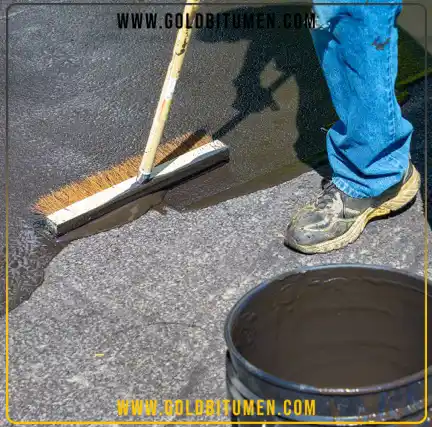
When comparing Blacktop vs Asphalt, many property owners, contractors, developers, and facility managers want to know which surface delivers better performance, lower maintenance costs, and longer service life. Although people often use these terms interchangeably, important distinctions exist in composition, appearance, installation, durability, and ideal applications.
Understanding these differences helps you choose the right paving solution for residential driveways, commercial parking lots, highways, private roads, recreational areas, and industrial facilities.
Blacktop vs Asphalt: Quick Overview
The debate between blacktop and asphalt usually centers on performance requirements and project goals. While both materials offer strong and reliable paved surfaces, they are designed for different traffic volumes, environmental conditions, and aesthetic preferences.
In most cases:
- Blacktop works well for residential and light-traffic applications.
- Asphalt performs better in high-traffic and heavy-load environments.
- Blacktop typically has a smoother and darker appearance.
- Asphalt generally provides greater structural strength.
- Both options require routine maintenance to maximize lifespan.
Therefore, choosing between blacktop paving and asphalt paving depends on how the surface will be used and how much traffic it must withstand.
Appearance Differences Between Blacktop and Asphalt
One of the most noticeable differences involves appearance.
Blacktop usually contains a higher concentration of stone dust and finer aggregates. As a result, it creates a smooth, dark, and visually appealing finish. Many homeowners prefer blacktop driveways because the surface looks clean, modern, and uniform.
Asphalt, on the other hand, often contains larger aggregate particles. Consequently, the finished surface appears slightly rougher and less uniformly black.
For residential curb appeal, blacktop frequently becomes the preferred choice. However, appearance alone should not determine the final decision because durability and performance also matter significantly.
Visual Characteristics Blacktop vs Asphalt
Blacktop
- Smooth texture
- Deep black color
- Attractive residential finish
- Cleaner overall appearance
Asphalt
- Coarser texture
- Slightly lighter color over time
- Industrial and commercial appearance
- Designed primarily for functionality
Composition and Material Structure
Although blacktop and asphalt share many ingredients, the aggregate mix differs.
Blacktop generally contains:
- More stone dust
- Finer aggregate materials
- Higher temperature installation requirements
Meanwhile, asphalt commonly includes:
- Larger crushed stone aggregates
- Diverse aggregate sizes
- Structural blends for heavy-duty performance
Because aggregate size influences strength and flexibility, these differences directly affect performance under traffic loads.
As a result, asphalt roads, highways, airport runways, and commercial parking lots can handle much heavier use than most blacktop surfaces.
Durability Comparison Blacktop vs Asphalt
Durability remains one of the most important factors when evaluating Blacktop vs Asphalt.
Heavy vehicles create continuous pressure on paved surfaces. Therefore, the material must resist cracking, rutting, and deformation.
Asphalt generally offers greater durability because its aggregate structure distributes weight more effectively. Consequently, it performs exceptionally well under constant traffic and heavy loads.
Blacktop remains durable for residential use, yet repeated exposure to large trucks, industrial equipment, or intense commercial traffic may shorten its lifespan.
Asphalt Advantages for Durability
- Better load-bearing capacity
- Greater resistance to rutting
- Improved structural stability
- Suitable for commercial traffic
- Effective for highways and transportation networks
Blacktop Advantages for Durability
- Reliable for residential traffic
- Strong weather resistance
- Good flexibility in changing temperatures
- Long service life with proper maintenance
Therefore, asphalt usually wins when maximum durability becomes the primary objective.
Climate Performance and Weather Resistance
Weather conditions play a major role in pavement performance.
Both blacktop and asphalt expand and contract as temperatures change. However, local climate often influences which option performs better.
In regions with significant seasonal temperature variations, properly installed pavement can maintain structural integrity for many years.
Blacktop absorbs heat efficiently due to its darker surface. Consequently, snow and ice often melt faster during winter months. This characteristic makes blacktop driveways particularly attractive in colder climates.
Meanwhile, engineered asphalt mixes can be customized for specific environmental conditions. Therefore, municipalities and transportation agencies frequently choose asphalt for roads exposed to severe weather.
Performance in Hot Weather: Blacktop vs Asphalt
Both materials perform well during summer. However:
- High-quality asphalt mixes resist deformation effectively.
- Blacktop may soften slightly during extreme heat.
- Proper installation minimizes temperature-related issues.
Performance in Cold Weather: Blacktop vs Asphalt
Both surfaces can perform well when maintained properly.
Regular sealcoating, crack filling, and drainage management significantly improve winter performance and longevity.
Installation Process
Installation quality often affects pavement life more than the material itself.
Professional contractors follow several critical steps:
- Site preparation
- Grading and drainage planning
- Base construction
- Material placement
- Compaction
- Surface finishing
A strong foundation remains essential regardless of whether the project uses blacktop or asphalt.
Poor base preparation can lead to:
- Surface cracking
- Water infiltration
- Settlement issues
- Premature deterioration
Therefore, selecting an experienced paving contractor is just as important as selecting the paving material.
Blacktop Driveway vs Asphalt Driveway
Homeowners frequently compare a blacktop driveway vs asphalt driveway when planning a new installation.
Blacktop often becomes the preferred residential solution because it provides:
- Attractive appearance
- Smooth finish
- Excellent curb appeal
- Reliable performance for personal vehicles
However, asphalt driveways can offer additional structural strength where heavier vehicle traffic exists.
For example:
- RV parking areas may benefit from asphalt.
- Shared access roads often perform better with asphalt.
- Standard residential driveways frequently work well with blacktop.
As a result, the best choice depends on expected vehicle loads and long-term usage requirements.
Maintenance Requirements
Regular maintenance extends pavement life substantially.
Fortunately, both blacktop and asphalt require similar maintenance procedures.
Recommended Maintenance
- Sealcoating
- Crack sealing
- Surface cleaning
- Drainage inspection
- Pothole repair
- Edge maintenance
When property owners follow a proactive maintenance schedule, surfaces remain functional and attractive for many additional years.
Moreover, preventive maintenance costs far less than complete replacement.
Benefits of Routine Maintenance
- Longer pavement lifespan
- Reduced repair expenses
- Improved appearance
- Enhanced safety
- Better water resistance
Consequently, maintenance should remain a priority regardless of the selected paving material.
Cost Comparison Blacktop vs Asphalt
Cost often influences paving decisions.
The total project price depends on several factors:
- Material availability
- Project size
- Labor rates
- Site conditions
- Thickness requirements
- Regional market conditions
In many markets, blacktop and asphalt costs remain relatively close. However, heavy-duty asphalt systems often require thicker structures and stronger bases, increasing overall project expenses.
Factors Affecting Cost
- Excavation requirements
- Drainage improvements
- Aggregate base depth
- Traffic load expectations
- Surface area
- Maintenance planning
Rather than focusing exclusively on installation cost, decision-makers should evaluate long-term value.
A slightly higher initial investment may produce lower maintenance expenses and a longer service life.
Lifespan Expectations
Another critical consideration involves longevity.
The lifespan of any pavement depends on:
- Installation quality
- Traffic volume
- Climate conditions
- Maintenance practices
- Drainage performance
With proper care, both surfaces can provide many years of reliable service.
Extending Pavement Life
Property owners can maximize lifespan by:
- Sealing cracks promptly
- Preventing standing water
- Maintaining drainage systems
- Scheduling periodic sealcoating
- Addressing minor damage early
Because water remains one of pavement’s biggest enemies, effective drainage significantly improves long-term performance.
Best Uses for Blacktop
Blacktop excels in several residential and light-commercial applications.
Common Blacktop Applications
- Residential driveways
- Private roads
- Walkways
- Small parking areas
- Recreational surfaces
- Residential communities
Because blacktop combines appearance and functionality, homeowners frequently select it for projects where aesthetics matter.
Furthermore, its smooth finish creates a polished and professional look that enhances property value.
Best Uses for Asphalt
Asphalt dominates larger infrastructure and commercial projects.
Common Asphalt Applications
- Highways
- Major roadways
- Commercial parking lots
- Distribution centers
- Industrial facilities
- Airports
- Transportation infrastructure
Because asphalt withstands heavy traffic efficiently, engineers continue to rely on it for demanding applications.
Consequently, it remains one of the most widely used paving materials worldwide.
Sustainability and Recycling Benefits
Modern paving projects increasingly emphasize sustainability.
Fortunately, asphalt-based materials offer excellent recyclability.
Many paving projects incorporate reclaimed pavement materials, reducing waste and lowering resource consumption.
Environmental benefits include:
- Reduced landfill waste
- Lower raw material demand
- Improved resource efficiency
- Reduced environmental impact
- Cost savings through recycling
As sustainability becomes more important, recycled paving materials continue gaining popularity throughout the industry.
Companies involved in pavement production and supply chains, including major producers and refineries such as Petro Gold, support the broader infrastructure sector by supplying materials used across paving and construction applications.
Common Misconceptions Blacktop vs Asphalt
Several misconceptions often create confusion when discussing Blacktop vs Asphalt.
Misconception 1: They Are Completely Different Materials
In reality, they share many similarities and belong to the same family of paving materials.
Misconception 2: Blacktop Always Costs Less
Project-specific factors often influence pricing more than material selection.
Misconception 3: Asphalt Looks Inferior
While asphalt may appear rougher, it often provides superior structural performance.
Misconception 4: Maintenance Is Unnecessary
Even the best pavement requires ongoing maintenance to achieve maximum lifespan.
Understanding these facts helps property owners make more informed decisions.
How to Choose Between Blacktop and Asphalt
Choosing the right paving solution requires evaluating several factors.
Ask the following questions:
- How much traffic will the surface carry?
- Will heavy trucks use the pavement?
- Is appearance a major priority?
- What is the long-term maintenance budget?
- What climate conditions affect the site?
- What lifespan expectations exist?
If aesthetics and residential performance matter most, blacktop often provides an excellent solution.
If strength, durability, and heavy-load performance are priorities, asphalt usually becomes the better investment.
Final Verdict: Blacktop vs Asphalt
The Blacktop vs Asphalt comparison ultimately comes down to application requirements.
Blacktop offers a smooth appearance, strong residential performance, and excellent curb appeal. Therefore, it remains a popular choice for driveways, private roads, and light-traffic surfaces.
Asphalt delivers superior structural strength, greater durability under heavy loads, and exceptional long-term performance. Consequently, it dominates highways, commercial parking lots, industrial facilities, and transportation infrastructure.
Rather than viewing one option as universally better, property owners should match the paving solution to the project’s specific needs. By considering traffic volume, climate conditions, maintenance expectations, appearance preferences, and budget goals, they can select the surface that provides the best long-term value and performance.