
The global demand for bitumen continues to rise as governments and private infrastructure developers invest heavily in road construction, airport projects, industrial zones, waterproofing systems, and urban development. Consequently, Iran has strengthened its position as one of the leading suppliers of high-quality bitumen to regional and international markets.
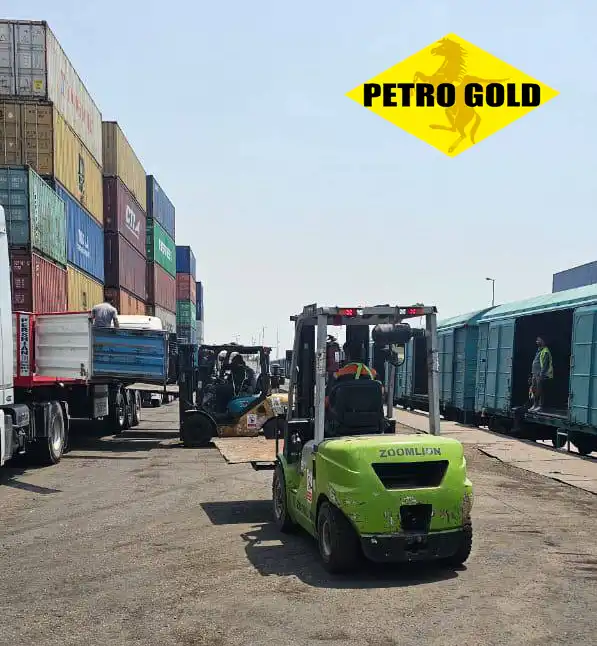
Moreover, among the various transportation methods available, Bitumen Export by Rail has emerged as one of the most efficient, secure, and cost-effective solutions for moving large volumes of bitumen across borders.
Furthermore, railway networks provide reliable connections between production centers, storage facilities, logistics hubs, ports, and end-user markets, making rail transport an increasingly preferred option for exporters and importers alike.
Why Iran Is a Major Supplier of Export Bitumen
Iran possesses some of the largest hydrocarbon reserves in the world and operates a well-developed refining industry capable of producing various grades of bitumen suitable for international markets.
Additionally, the country’s strategic geographical location allows exporters to access multiple regional markets through integrated transportation networks.
As a result, Iranian bitumen has gained a strong reputation among contractors, infrastructure developers, and government agencies worldwide.
Why Bitumen Export by Rail Is Gaining Popularity
Growing Demand for Efficient Logistics
Traditional road transportation has long been used for bitumen exports. However, increasing fuel costs, road congestion, environmental concerns, and border delays have encouraged exporters to seek alternative transportation solutions.
Therefore, many companies are increasingly investing in railway logistics to improve operational efficiency and reduce transportation expenses.
Key Benefits of Railway Bitumen Transportation
Cost Efficiency
Railways can transport significantly larger volumes of bitumen in a single shipment compared to truck fleets.
Consequently, exporters benefit from lower transportation costs per metric ton and improved profitability.
Higher Safety Standards
Bitumen is a temperature-sensitive petroleum product that requires careful handling.
In addition, railway transportation provides more stable transportation conditions, helping maintain product quality during transit.
Environmental Sustainability
Compared with road transport, railway systems generate lower carbon emissions per ton-kilometer.
Therefore, many governments and large infrastructure companies prefer rail transportation as part of their sustainability initiatives.
Reliable Transit Schedules
Rail networks generally provide predictable delivery times and reduced disruptions.
As a result, exporters can better manage inventory levels and contractual delivery commitments.
The Complete Process of Bitumen Export by Railway
Step 1: Production and Quality Control
The export process begins at the refinery where bitumen is produced according to international standards.
Before shipment, extensive quality control procedures are conducted to ensure compliance with customer specifications.
Step 2: Storage and Preparation
After production, bitumen is transferred to heated storage tanks.
Meanwhile, logistics teams coordinate wagon availability, railway schedules, and export documentation to avoid delays.
Step 3: Loading into Railway Wagons
Specialized railway tank wagons are used for transporting bitumen.
Specifically, these wagons are equipped with thermal insulation and heating systems designed to maintain product quality throughout transportation.
Step 4: Railway Transportation
Once loaded, wagons are assembled into freight trains and transported through domestic and international railway corridors.
Subsequently, customs clearance and border procedures are completed before the cargo proceeds to the destination market.
Bitumen Export to Afghanistan Through Rozanak Railway Station
Afghanistan represents one of the fastest-growing markets for imported bitumen due to ongoing infrastructure development.
Therefore, efficient transportation routes have become increasingly important for exporters serving Afghan customers.
Rozanak Railway Station: A Strategic Gateway
Rozanak Railway Station serves as a strategic connection point between Iran and Afghanistan.
Furthermore, the railway corridor facilitates smoother cross-border freight movement and significantly reduces transportation costs.
Rail Transport of Bitumen to Afghanistan
The transportation process involves loading bitumen into railway wagons and transporting them through Iran’s rail network.
Afterward, shipments pass through customs facilities and continue toward Afghan destinations via Rozanak Railway Station.
As a result, delivery times are often shorter and more predictable than traditional trucking routes.
The Role of Freight Wagons in Bitumen Logistics
The success of Bulk Bitumen Transportation depends heavily on specialized rolling stock.
In particular, modern bitumen tank wagons are designed to preserve temperature stability and ensure safe cargo handling.
Additionally, regular maintenance programs help maximize wagon availability and operational reliability.
Important Bitumen Export by Rail and Logistics Hubs Supporting Regional Bitumen Trade
Mersin International Port (MIP)
Mersin International Port (MIP) is one of the most important maritime gateways in the Eastern Mediterranean region.
Moreover, its strong rail connectivity makes it an ideal hub for multimodal transportation operations.
Mersin Garı (MERSIN GAR)
Mersin Garı plays a significant role in railway freight movement.
Likewise, MERSIN GAR supports cargo consolidation and efficient rail-to-port transfers.
Yenice Logistics Center
Yenice Logistics Center is a major logistics hub supporting regional freight transportation.
Furthermore, the center enhances supply chain efficiency through integrated warehousing and cargo management services.
İskenderun Limanı
İskenderun Limanı serves as another critical gateway for international cargo movements.
Similarly, the port supports exporters targeting Mediterranean, Middle Eastern, and European markets.
İskenderun Garı (İSKENDERUN GARI)
İskenderun Garı and İSKENDERUN GARI facilitate freight train operations connected to port infrastructure.
Consequently, exporters benefit from improved logistics flexibility and transportation efficiency.
Payas Terminali
Payas Terminali supports industrial cargo transportation and railway logistics operations.
In addition, it contributes to the overall strength of regional freight corridors.
Challenges and Opportunities
Rail transportation offers many advantages. However, certain challenges still exist, including infrastructure limitations, customs procedures, and wagon availability.
Nevertheless, ongoing investments in railway modernization continue to improve operational efficiency across the region.
Furthermore, growing infrastructure projects throughout Afghanistan, Central Asia, and the Middle East are creating new opportunities for railway-based bitumen exports.
Future Prospects of Railway Bitumen Transportation
The future of Bitumen Export by Railway appears highly promising.
First, governments are investing heavily in railway infrastructure.
Second, digital logistics systems are improving shipment visibility and operational control.
Third, sustainability initiatives are encouraging greater use of rail transportation.
Ultimately, these developments will strengthen the position of railway logistics within the international bitumen trade sector.
Conclusion
In conclusion, Bitumen Export by Rail has become a cornerstone of modern regional trade, offering exporters a reliable, cost-effective, and environmentally responsible transportation solution.
Moreover, strategic gateways such as Rozanak Railway Station, Mersin International Port (MIP), MERSIN GAR, Yenice Logistics Center, İskenderun Limanı, İSKENDERUN GARI, and Payas Terminali continue to enhance regional connectivity and trade efficiency.
Finally, as railway infrastructure expands and cross-border cooperation increases, Bitumen Export by Railway, Rail Transport of Bitumen to Afghanistan, and broader Cross-Border Bitumen Export activities are expected to experience significant long-term growth. This trend will create valuable opportunities for exporters seeking sustainable and efficient logistics solutions in neighboring markets and beyond.