
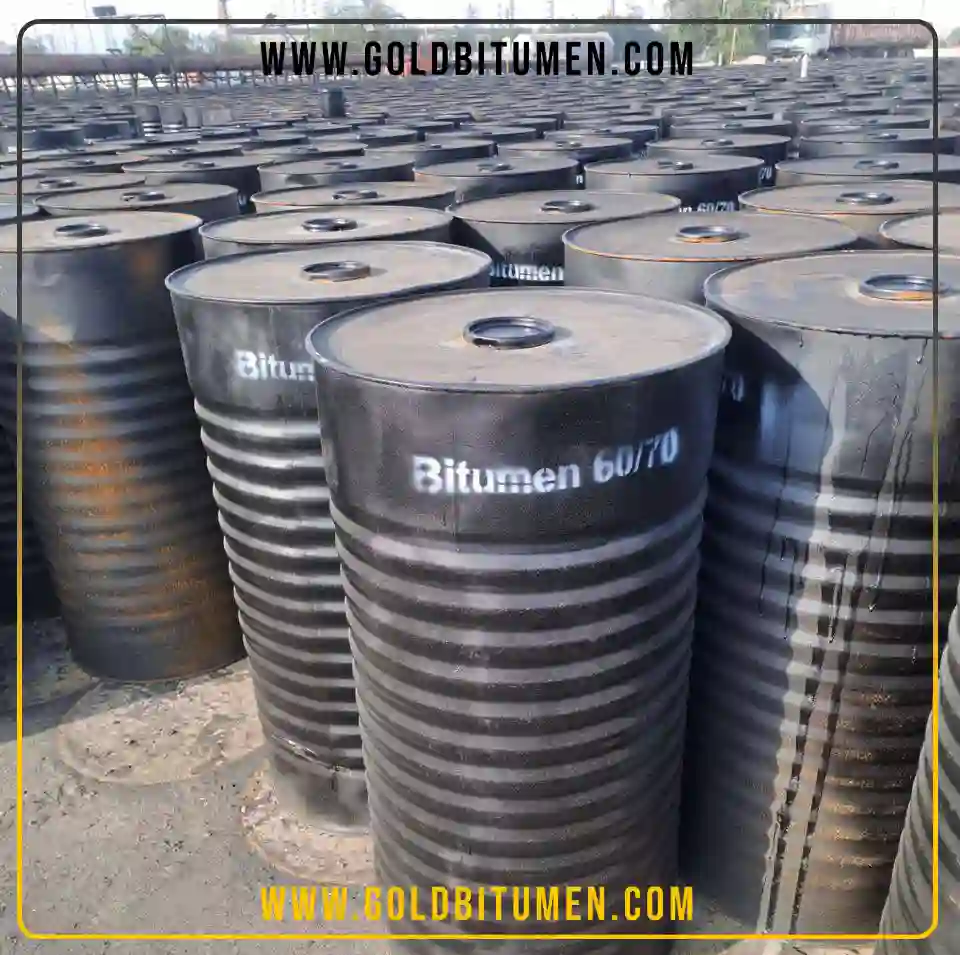
The bitumen market Afghanistan is entering a strong growth phase in 2026. As infrastructure projects expand across the country, the need for high-quality construction materials continues to rise. Roads, highways, and urban developments all depend on bitumen as a core material. For buyers and contractors, understanding market trends helps them make better purchasing decisions and avoid costly mistakes.
In this article, we explore the bitumen demand in Afghanistan, supply sources, pricing trends, and the key opportunities shaping the market this year.
Overview of the Bitumen Market Afghanistan in 2026
Afghanistan’s construction sector drives the growth of the bitumen market. Over recent years, the country has focused on rebuilding its infrastructure, especially transport networks. This effort continues in 2026, with both government and private projects pushing demand higher.
Bitumen remains essential because it offers durability, flexibility, and cost efficiency. Contractors prefer it for road construction due to its ability to withstand heavy traffic and harsh weather conditions.
However, Afghanistan still relies heavily on imports. Local production remains limited, so buyers depend on suppliers from nearby countries such as Iran, the UAE, and Pakistan. This reliance shapes the overall structure of the bitumen market Afghanistan, especially in terms of pricing and availability.
Bitumen Demand in Afghanistan: What Is Driving Growth?
The bitumen demand in Afghanistan continues to grow steadily, supported by several strong factors.
1. Road Construction and Infrastructure Development
Road construction remains the main driver of demand. Many highways require repair, while new road networks are being developed to improve connectivity between cities and rural areas.
Bitumen plays a critical role in asphalt production, making it essential for durable and long-lasting roads. Most contractors in Afghanistan commonly use bitumen 60/70 because it offers a good balance between hardness and flexibility, making it suitable for the country’s climate.
2. Urban Expansion and Housing Growth
Cities such as Kabul and Herat are expanding rapidly. As populations grow, housing demand increases, leading to more construction projects. This creates a strong need for construction materials Afghanistan, including bitumen for roofing, waterproofing, and road access within urban areas.
3. Climate and Environmental Conditions
Afghanistan experiences extreme temperatures, from hot summers to cold winters. Bitumen performs well under these conditions, especially when the right grade is used. Its ability to adapt to temperature changes makes it a reliable choice for long-term infrastructure.
4. Investment and Development Projects
International funding and regional investments continue to support infrastructure development. These projects increase demand for consistent and high-quality bitumen supply.
Supply Dynamics: Where Does Afghanistan Get Its Bitumen?
Supply plays a key role in shaping the bitumen market Afghanistan because the country depends on imports.
Main Supply Sources
- Iran – The leading supplier due to proximity and competitive pricing
- UAE – Known for stable quality and advanced packaging options
- Pakistan – Important for regional logistics and trade routes
Iran remains the most important source. Suppliers like Petro gold provide reliable shipments of different grades suitable for Afghan projects. Their consistent supply and flexible delivery options make them a preferred partner for many buyers.
Transportation and Logistics
Bitumen reaches Afghanistan mainly through land transport. Trucks carry shipments through border crossings with Iran and Pakistan. While this method works effectively, it also comes with challenges such as delays, road conditions, and seasonal disruptions.
Global Market Influence
Global oil prices directly impact bitumen supply. When crude oil prices increase, bitumen prices usually follow. This creates uncertainty for buyers who rely on stable pricing.
Pricing Trends in 2026
Pricing in the bitumen market Afghanistan depends on multiple factors that buyers should understand.
1. Crude Oil Fluctuations
Since bitumen comes from crude oil, its price changes based on global oil markets. Any increase in oil prices leads to higher bitumen costs.
2. Transportation Costs
Freight charges, fuel prices, and border fees all affect the final price. Long transport routes can significantly increase overall costs.
3. Seasonal Demand Changes
Construction activity slows during winter due to cold weather. This reduces demand temporarily. In contrast, demand rises sharply in spring and summer, which can push prices higher.
4. Grade Selection
Different grades also affect pricing. For example, some projects use bitumen 80/100 for specific conditions where a softer grade performs better. This choice can influence both cost and performance.
Opportunities for Buyers and Traders
The Afghan market offers several promising opportunities in 2026.
1. Infrastructure Growth
Ongoing infrastructure projects create consistent demand. Buyers who secure long-term supply agreements can benefit from stable pricing and availability.
2. Strong Supplier Partnerships
Working with trusted suppliers like Petro gold helps reduce risks. Reliable partners ensure consistent quality and timely delivery, which is crucial for large projects.
3. Bulk Purchasing Benefits
Buying in bulk allows buyers to reduce costs. Many suppliers offer better pricing for large orders, making it a smart strategy for contractors and traders.
4. Expanding Market Demand
As urban development continues, demand for construction materials Afghanistan will keep growing. This creates long-term business opportunities for suppliers and distributors.
Challenges in the Bitumen Market Afghanistan
Despite its growth, the market also faces several challenges.
1. Logistics Issues
Transport delays and poor infrastructure can disrupt supply chains.
2. Price Volatility
Global oil price changes can create uncertainty in the market.
3. Quality Concerns
Not all suppliers provide consistent quality. Buyers must check product specifications and certifications carefully.
4. Seasonal Limitations
Cold weather reduces construction activity, which affects demand cycles.
Future Outlook for 2026 and Beyond
The future of the bitumen market Afghanistan looks positive. Continued investment in infrastructure and urban development will keep demand strong.
As the country builds more roads and expands its cities, the need for reliable bitumen supply will increase. Buyers who understand market trends and build strong supplier relationships will gain a competitive advantage.
Conclusion Bitumen Market Afghanistan
The bitumen market Afghanistan in 2026 offers strong opportunities for buyers and traders. Rising infrastructure projects and urban growth continue to drive demand, while supply from neighboring countries ensures availability.
However, buyers must manage challenges such as logistics, pricing fluctuations, and quality control. By working with trusted suppliers like Petro gold, planning purchases carefully, and staying informed about market trends, businesses can succeed in this growing market.
Understanding the bitumen demand in Afghanistan and choosing the right materials will help buyers achieve better results and long-term success.