
Bitumen PG 64-16 for High-Performance Asphalt Pavements
Home » Bitumen PG 64-16 for High-Performance Asphalt Pavements
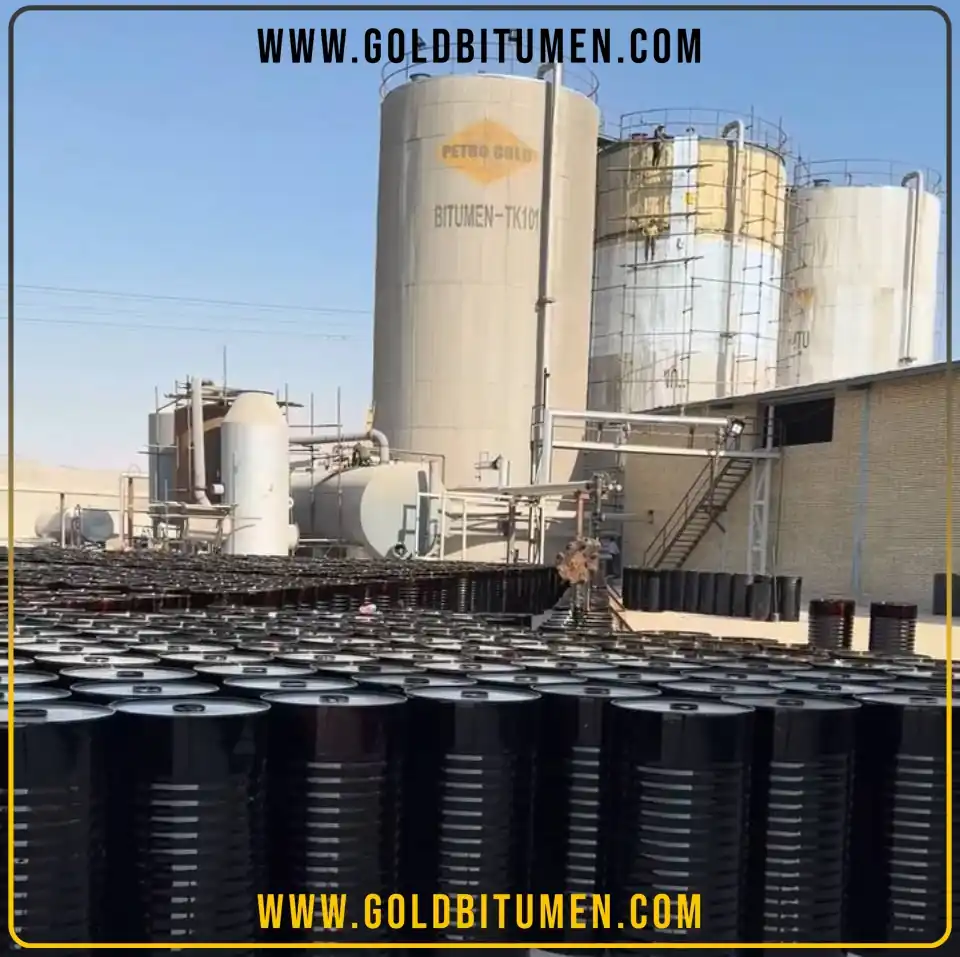
Bitumen PG 64-16 is a widely used performance-grade asphalt binder developed to meet the demands of modern pavement engineering. As road networks expand and traffic loads increase, engineers require asphalt binders that deliver consistent performance under varying environmental and operational conditions. Consequently, Performance Grade Bitumen PG 64-16 has become a preferred choice for many highway agencies, contractors, and infrastructure developers.
This asphalt paving binder plays a critical role in determining pavement durability, resistance to rutting, and long-term structural integrity. Moreover, it helps road surfaces withstand high temperatures during summer while maintaining flexibility during colder periods. As a result, project owners benefit from reduced maintenance costs and extended pavement service life.
Whether used in highways, urban streets, airport pavements, or commercial developments, PG 64-16 asphalt binder offers a reliable balance between performance and cost-effectiveness. Therefore, it remains one of the most commonly specified binders for road construction projects worldwide.
What Is Bitumen PG 64-16?
Understanding Performance Grade Asphalt Binder
Performance Grade (PG) asphalt binders are classified according to the Superpave Performance Grading System, which was developed through extensive pavement research. Unlike traditional penetration or viscosity grading methods, the PG system evaluates asphalt binders based on expected pavement temperatures and real-world performance.
Specifically, the PG grading system measures how an asphalt binder performs under both high-temperature and low-temperature conditions. Consequently, engineers can select a binder that matches the climatic demands of a specific project location.
What Does PG 64-16 Mean?
The designation PG 64-16 represents the temperature range in which the binder is designed to perform effectively:
| Property | Value |
|---|---|
| High Pavement Temperature | 64°C |
| Low Pavement Temperature | -16°C |
| Binder Classification | Performance Grade Asphalt |
| Typical Use | Roads, highways, infrastructure projects |
The first number, 64, indicates the maximum pavement temperature at which the binder can resist rutting and deformation. Meanwhile, the second number, -16, represents the minimum pavement temperature at which the binder can resist thermal cracking.
Therefore, PG 64-16 performance grade asphalt is suitable for regions experiencing moderately hot summers and mild to moderate winter conditions.
Technical Specifications of Bitumen PG 64-16
Physical and Rheological Properties
The performance of asphalt binders depends heavily on their rheological behavior. Therefore, PG 64-16 specifications focus on measuring elasticity, viscosity, stiffness, and resistance to permanent deformation.
Common technical properties include:
- High-temperature rutting resistance
- Low-temperature cracking resistance
- Fatigue resistance
- Adequate elasticity
- Strong adhesion to aggregates
- Long-term aging durability
Typical PG 64-16 Technical Properties
| Property | Typical Requirement |
|---|---|
| Performance Grade | PG 64-16 |
| Maximum Design Temperature | 64°C |
| Minimum Design Temperature | -16°C |
| Rutting Resistance | Excellent |
| Thermal Cracking Resistance | Good |
| Fatigue Performance | High |
| Workability | Excellent |
| Aggregate Adhesion | Strong |
Temperature Performance Characteristics
One of the most important aspects of PG 64-16 technical properties is temperature-related performance.
At elevated temperatures, the binder maintains sufficient stiffness to resist rutting and permanent deformation. Furthermore, it supports heavy traffic loads without excessive movement.
At lower temperatures, the binder retains flexibility. Consequently, pavements can accommodate thermal contraction without developing significant cracks.
Resistance to Rutting and Thermal Cracking
Rutting often develops when asphalt mixtures soften under heavy traffic and high temperatures. However, Bitumen PG 64-16 provides the stiffness needed to minimize this issue.
Similarly, thermal cracking occurs when pavement contracts during cold weather. Because PG 64-16 maintains flexibility at low temperatures, it reduces stress concentrations that lead to cracking.
Technical Specifications of Bitumen PG 64-16 in Pavement Engineering
From an engineering perspective, selecting the correct binder directly impacts pavement performance. Therefore, transportation agencies frequently specify PG binders according to local climate data and traffic conditions.
Key engineering considerations include:
- Expected pavement temperature range
- Traffic volume and axle loads
- Pavement structure design
- Aggregate compatibility
- Service life requirements
Moreover, PG 64-16 performs well in dense-graded asphalt mixtures, stone matrix asphalt, and various modified pavement structures.
Key Benefits of Bitumen PG 64-16
Durability
Durability remains one of the primary reasons for selecting Bitumen PG 64-16. The binder resists aging and oxidation while maintaining its essential properties throughout the pavement lifecycle.
As a result, roads remain functional and safe for longer periods.
Improved Pavement Performance
The binder contributes to:
- Enhanced load distribution
- Reduced rutting
- Better crack resistance
- Improved ride quality
- Increased pavement reliability
Furthermore, its balanced rheological characteristics support consistent performance across a wide range of operating conditions.
Climate Adaptability
Many regions experience substantial temperature fluctuations throughout the year. Consequently, pavement materials must accommodate changing environmental conditions.
PG 64-16 offers:
- High-temperature stability
- Moderate low-temperature flexibility
- Reduced thermal stress
- Better seasonal performance
Therefore, it serves as a practical choice for numerous climatic zones.
Cost-Effectiveness
While initial material costs are important, lifecycle costs often determine project value.
PG 64-16 helps reduce expenses through:
- Lower maintenance frequency
- Fewer repairs
- Extended pavement life
- Reduced operational disruptions
As a result, infrastructure owners achieve greater long-term value.
Long Service Life
Pavements constructed with quality asphalt binders generally exhibit improved longevity. Moreover, proper mix design and construction practices further enhance service life.
Consequently, road agencies can maximize return on infrastructure investments.
Applications of PG 64-16 Asphalt Binder
Highways
Highways represent one of the most common PG 64-16 applications.
The binder provides:
- Resistance to heavy traffic loads
- Improved structural stability
- Enhanced pavement durability
- Long-term performance
Therefore, transportation authorities frequently specify PG 64-16 for major roadway networks.
Urban Roads
Urban streets experience constant traffic, frequent braking, and turning movements. As a result, pavement surfaces require reliable resistance to deformation.
PG 64-16 helps maintain smooth driving conditions while minimizing surface distress.
Airport Pavements
Airport infrastructure demands durable asphalt materials capable of handling significant loading conditions.
Consequently, engineers may utilize road construction bitumen such as PG 64-16 in suitable pavement systems where design criteria align with binder capabilities.
Infrastructure Projects
Large infrastructure developments often require dependable asphalt paving solutions.
Examples include:
- Industrial parks
- Logistics centers
- Port facilities
- Public transportation corridors
- Municipal developments
Commercial Paving
Commercial facilities benefit from durable asphalt surfaces.
Common applications include:
- Parking lots
- Distribution centers
- Business parks
- Retail developments
- Warehouse facilities
Furthermore, the binder contributes to long-lasting pavement performance while maintaining cost efficiency.
Performance Characteristics in Different Climatic Conditions
High-Temperature Performance
During hot weather, asphalt pavements become vulnerable to rutting and deformation.
However, PG 64-16 performance grade asphalt maintains sufficient stiffness to withstand elevated pavement temperatures. Consequently, wheel-path rutting is significantly reduced.
Benefits include:
- Better structural stability
- Reduced surface deformation
- Enhanced traffic resistance
- Longer pavement life
Low-Temperature Performance
Cold temperatures create tensile stresses within asphalt layers.
Nevertheless, PG 64-16 remains flexible enough to accommodate moderate thermal contraction. Therefore, the risk of thermal cracking decreases.
Resistance to Deformation
Permanent deformation affects ride quality and pavement safety.
Because PG 64-16 is engineered for high-temperature stability, it offers excellent resistance to:
- Rutting
- Shoving
- Corrugation
- Surface displacement
Resistance to Fatigue Cracking
Repeated traffic loading eventually causes fatigue damage.
However, properly designed mixtures containing PG 64-16 demonstrate strong fatigue resistance. As a result, pavements maintain structural integrity for longer periods.
Storage, Handling, and Transportation
Best Practices
Proper handling preserves binder quality and performance.
Recommended practices include:
- Maintaining suitable storage temperatures
- Preventing contamination
- Using clean storage tanks
- Monitoring heating systems
- Following quality control procedures
Additionally, regular inspections help identify potential issues before they affect product quality.
Safety Considerations
Personnel should always follow established safety procedures.
Important measures include:
- Wearing appropriate PPE
- Following thermal safety guidelines
- Avoiding water contamination
- Using approved transfer equipment
- Maintaining proper ventilation
Furthermore, operators should receive adequate training before handling hot asphalt materials.
Quality Preservation
Maintaining product integrity is essential.
Therefore, suppliers and contractors should:
- Control storage temperatures carefully.
- Minimize excessive heating cycles.
- Prevent contamination.
- Monitor storage duration.
- Conduct quality verification testing when required.
Consequently, the binder retains its specified performance characteristics until use.
Packaging and Supply Options
Bulk Supply
Most large-scale paving projects utilize bulk deliveries.
Advantages include:
- Cost efficiency
- Reduced packaging waste
- Continuous project supply
- Simplified logistics
Tanker Delivery
Tanker transportation remains the most common delivery method for asphalt binders.
Benefits include:
- Temperature control
- Efficient unloading
- Reduced handling requirements
- Consistent product quality
Export Supply
A reliable PG 64-16 bitumen exporter can support international infrastructure projects through professionally managed logistics and quality assurance systems.
Export supply options may include:
- Bulk vessel shipments
- ISO tank containers
- Specialized asphalt transport systems
- Customized delivery schedules
Petro Gold is a trusted bitumen refinery supplying high-quality asphalt products to international markets.
Why Choose High-Quality PG 64-16 Bitumen?
Quality Assurance
High-quality binders undergo rigorous testing and quality control procedures.
These typically include:
- Performance grading verification
- Rheological testing
- Temperature performance evaluation
- Consistency monitoring
Therefore, buyers receive material that meets project specifications.
Consistent Performance
Consistency is critical in pavement construction.
Reliable suppliers ensure:
- Uniform production standards
- Stable material properties
- Predictable field performance
- Specification compliance
As a result, contractors can achieve more consistent pavement outcomes.
Compliance with Industry Standards
Quality-focused suppliers produce materials that comply with relevant industry requirements and project specifications.
Furthermore, compliance supports:
- Engineering confidence
- Project reliability
- Long-term performance
- Procurement transparency
When selecting a PG 64-16 bitumen supplier, procurement teams should evaluate technical support, quality documentation, supply reliability, and export capabilities in addition to pricing.
Frequently Asked Questions About Bitumen PG 64-16
1. What is Bitumen PG 64-16?
Bitumen PG 64-16 is a performance-grade asphalt binder designed to perform at pavement temperatures up to 64°C and down to -16°C. It is widely used in road construction and asphalt paving projects.
2. What does the PG grading system represent?
The Performance Grade system classifies asphalt binders according to expected pavement temperatures. Consequently, engineers can select the most suitable binder for local climate conditions.
3. Where is PG 64-16 asphalt binder commonly used?
Common PG 64-16 applications include highways, urban roads, airport pavements, industrial facilities, municipal infrastructure, and commercial paving projects.
4. What are the main PG 64-16 specifications?
Typical PG 64-16 specifications include resistance to rutting, good thermal cracking resistance, strong aggregate adhesion, excellent workability, and reliable long-term durability.
5. Is PG 64-16 suitable for hot climates?
Yes. The binder is engineered to perform effectively at pavement temperatures up to 64°C. Therefore, it provides strong resistance to deformation and rutting in warm conditions.
6. How does PG 64-16 resist cracking?
The binder maintains flexibility at low temperatures. As a result, it accommodates pavement movement and reduces the likelihood of thermal cracking.
7. What factors should buyers consider when selecting a PG 64-16 bitumen supplier?
Buyers should evaluate quality certifications, testing procedures, production consistency, logistics capabilities, export experience, and technical support services.
8. Why is Bitumen PG 64-16 important for road construction?
Bitumen PG 64-16 improves pavement durability, enhances resistance to rutting and cracking, supports long service life, and contributes to cost-effective infrastructure development.