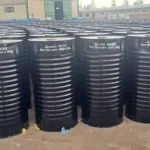


Ductility of bitumen explains how much bitumen can stretch before it breaks under tension. In simple terms, it shows how flexible bitumen is when it faces pulling forces. This property is very important because roads, roofs, and waterproof layers constantly move due to traffic loads, temperature changes, and structural stress. If bitumen stretches well, it […]


Nano-Modified Bitumen is a performance-enhanced asphalt binder produced by dispersing nano-scale materials into conventional bitumen to improve strength, durability, and resistance to aging. It matters because roads today face heavier traffic loads, extreme temperature cycles, and tighter maintenance budgets. Engineers, contractors, and procurement teams use this material when standard or polymer-modified grades no longer deliver […]
Bitumen safety measures protect workers, equipment, and projects when handling hot asphalt materials. Bitumen reaches high temperatures during storage, transport, and application, which creates real risks for burns, fumes, and fires. Engineers, contractors, plant operators, and procurement teams must apply clear safety rules to avoid accidents and delays. This guide explains practical bitumen safety measures […]
White bitumen is a refined, light-colored bituminous binder used when appearance, heat reflection, and clean application matter as much as technical performance. It matters because conventional dark binders absorb heat, stain surfaces, and limit use in architectural and urban projects. Engineers and buyers often compare this bitumen with traditional road binders such as bitumen 60/70 […]

Suitable bitumen means selecting the right bitumen grade for a specific climate, load, construction method, and service life. It matters because the wrong choice leads to early cracking, rutting, bleeding, or stripping—costly failures that engineers and buyers work hard to avoid. Contractors, road authorities, waterproofing applicators, and procurement teams need suitable bitumen to match performance […]
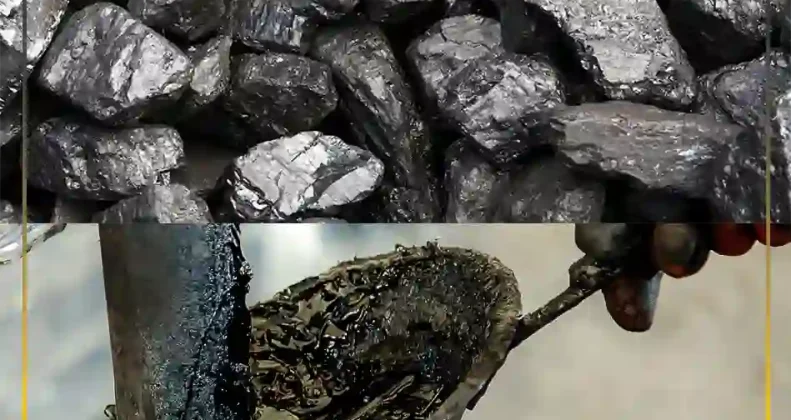
Natural bitumen vs petroleum bitumen is one of the most searched comparisons in the asphalt, construction, and industrial materials market. In simple terms, natural bitumen comes directly from nature, while petroleum bitumen comes from crude oil refining. This difference matters because it affects performance, durability, cost, and application suitability. Contractors, manufacturers, and buyers must understand […]

Bitumen Emulsion vs Cutback Bitumen comes down to how each material is made, how it behaves on the road, and where it performs best. Bitumen emulsion uses water instead of chemical solvents, so it works safely at normal temperatures, produces fewer fumes, and supports cleaner construction. Cutback bitumen contains petroleum solvents, which help it cure […]

Bitumen quality control ensures every drop of bitumen performs exactly as engineers expect, no matter where the road is built or how heavy the traffic becomes. Without proper testing, roads crack earlier, maintenance costs rise, and projects fail faster than they should. This is why professional suppliers, including Petro Gold, follow strict international standards to […]
Vacuum Bottom bitumen is the backbone of modern bitumen production because it carries the heavy hydrocarbons that create strength, adhesion, and durability in pavement. VB forms when crude oil passes through atmospheric and vacuum distillation, and it becomes the main feedstock for penetration-grade bitumen, oxidized bitumen, and even polymer-modified binders. Since its chemical composition controls […]

Bitumen adhesion performance plays a crucial role in the strength and durability of asphalt pavements. Although many people focus on penetration grade or viscosity, adhesion often determines how long a road will last. When bitumen bonds well with aggregates, the pavement becomes stronger, smoother, and far more resistant to moisture damage. However, when adhesion is […]