
Bitumen PG 70-16
Home » Bitumen PG 70-16
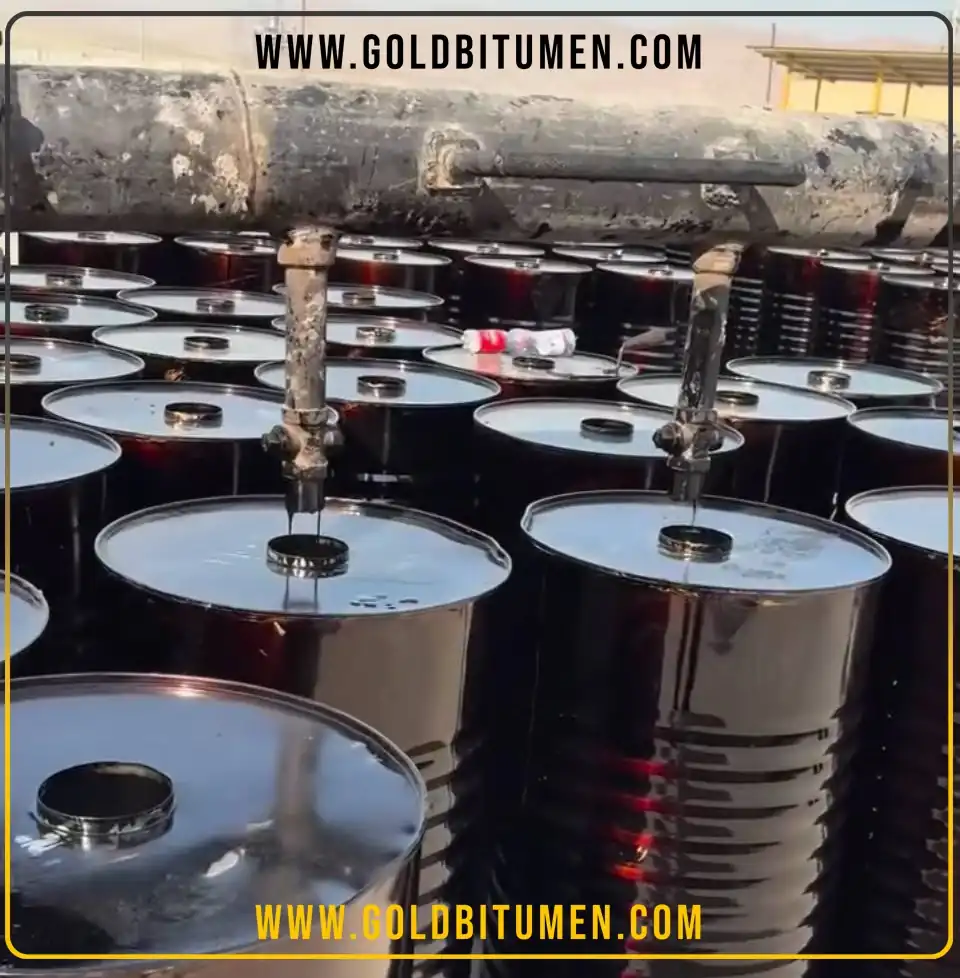
Bitumen PG 70-16 is a high-performance asphalt binder designed to meet demanding pavement requirements in regions exposed to elevated service temperatures. As infrastructure projects increasingly require longer pavement life, better rutting resistance, and improved durability, performance-graded binders have become the preferred choice for road authorities, contractors, and asphalt producers worldwide.
Unlike conventional penetration-grade bitumen, Bitumen PG 70-16 follows the Superpave performance grading system, which evaluates binder performance under actual pavement temperatures. Therefore, engineers can select a binder that matches local climate conditions and traffic demands more accurately.
Today, PG 70-16 Bitumen serves a wide range of infrastructure applications, including highways, expressways, urban roads, industrial facilities, and airport pavements. Moreover, its enhanced resistance to permanent deformation makes it particularly suitable for heavy-traffic corridors and high-temperature environments.
What Is Bitumen PG 70-16?
Performance Grade Bitumen PG 70-16 is an asphalt binder classified according to the Superpave Performance Grading system. The designation “70-16” represents the temperature range within which the binder performs effectively.
Specifically:
- The first number (70) indicates the maximum pavement temperature in degrees Celsius at which the binder can resist rutting.
- The second number (-16) indicates the minimum pavement temperature at which the binder can resist thermal cracking.
As a result, PG 70-16 Asphalt Binder delivers excellent high-temperature performance while maintaining adequate flexibility at lower temperatures.
This grading system differs significantly from traditional viscosity and penetration grading methods. Instead of relying solely on laboratory measurements, Superpave grading focuses on actual pavement performance. Consequently, engineers gain greater confidence in long-term pavement behavior.
Furthermore, Performance Graded Asphalt systems help agencies optimize pavement design, reduce maintenance costs, and improve infrastructure sustainability.
Key Characteristics of PG 70-16 Bitumen
Several characteristics distinguish PG 70-16 Asphalt Cement from conventional asphalt binders.
High Temperature Stability
First, the binder maintains structural integrity under elevated pavement temperatures. This characteristic helps prevent deformation during hot weather conditions.
Enhanced Rutting Resistance
Second, the material offers superior resistance to permanent deformation caused by repeated traffic loading. Therefore, roads maintain smoother surfaces for longer periods.
Durable Pavement Performance
Additionally, the binder contributes to longer pavement service life. Its balanced rheological properties help asphalt mixtures withstand traffic stress and environmental exposure.
Superpave Compliance
Moreover, PG 70-16 Bitumen complies with Superpave testing methodologies that evaluate performance under realistic conditions.
Improved Infrastructure Reliability
In addition, infrastructure owners benefit from reduced maintenance frequency and lower lifecycle costs when the correct performance grade is selected.
Technical Specifications of Bitumen PG 70-16
The exact PG 70-16 Specification may vary according to regional standards and project requirements. However, most products comply with recognized Superpave criteria.
Typical PG 70-16 Technical Data Sheet
| Property | Test Method | Typical Requirement |
|---|---|---|
| Performance Grade | AASHTO M320 | PG 70-16 |
| Original Binder DSR | AASHTO T315 | G*/sinδ ≥ 1.00 kPa |
| RTFO-Aged Binder DSR | AASHTO T315 | G*/sinδ ≥ 2.20 kPa |
| PAV-Aged DSR | AASHTO T315 | G*sinδ ≤ 5000 kPa |
| BBR Stiffness | AASHTO T313 | ≤ 300 MPa |
| BBR m-value | AASHTO T313 | ≥ 0.300 |
| Flash Point | AASHTO T48 | ≥ 230°C |
| Solubility | AASHTO T44 | ≥ 99% |
These values represent general industry requirements. Therefore, buyers should always request the latest PG 70-16 Technical Data Sheet from the supplier before procurement.
Leading bitumen refineries such as Petro Gold implement strict quality-control procedures to ensure consistent performance-grade asphalt products.
High Temperature Performance
High-temperature performance remains one of the most important reasons engineers select Bitumen PG 70-16.
During summer months, pavement temperatures often exceed air temperatures by a significant margin. Consequently, asphalt surfaces can experience severe stress from heavy vehicle loads.
PG 70-16 Asphalt Binder maintains adequate stiffness at temperatures up to 70°C. Therefore, it reduces the likelihood of surface deformation, wheel-path depressions, and structural instability.
Furthermore, highways carrying commercial traffic benefit from improved resistance to shear stress. This characteristic becomes especially valuable in regions with prolonged periods of high heat.
For example, logistics corridors, container terminals, and industrial access roads frequently experience concentrated loads. In these situations, the binder helps maintain pavement integrity over extended service periods.
Rutting Resistance
Rutting represents one of the most common pavement distresses in heavily trafficked areas.
When asphalt layers deform under repeated wheel loads, permanent depressions form in vehicle paths. As a result, safety risks increase, and maintenance costs rise.
PG 70-16 Bitumen addresses this challenge through enhanced rheological properties that resist deformation under stress.
Moreover, the Superpave grading system evaluates rutting performance using Dynamic Shear Rheometer testing. Therefore, engineers can assess the binder’s ability to withstand real-world traffic conditions.
In contrast to lower performance grades, PG 70-16 provides additional protection against permanent deformation in hot climates and high-volume road networks.
Pavement Durability
Pavement durability depends on multiple factors, including aggregate quality, mix design, construction practices, and binder performance.
However, the asphalt binder serves as the primary adhesive component within asphalt mixtures. Therefore, binder quality significantly influences long-term pavement behavior.
Performance Grade Bitumen PG 70-16 contributes to:
- Extended pavement service life
- Reduced maintenance requirements
- Improved resistance to aging
- Better load distribution
- Enhanced structural performance
Additionally, durable pavements help infrastructure agencies reduce lifecycle costs while maintaining acceptable service levels.
Consequently, many transportation authorities specify performance-graded asphalt binders for critical road construction projects.
Compatibility with Asphalt Mixes
One significant advantage of PG 70-16 Asphalt Cement is its compatibility with a wide range of asphalt mixtures.
Engineers commonly use this binder in:
- Dense-graded asphalt mixes
- Stone matrix asphalt
- Heavy-duty pavement mixes
- High-performance asphalt applications
- Polymer-modified asphalt systems
Furthermore, the binder performs effectively with various aggregate sources when proper mix design procedures are followed.
Meanwhile, asphalt producers can optimize mixture characteristics to meet project-specific requirements, including stability, durability, and fatigue resistance.
Therefore, Road Construction Bitumen products within this grade offer flexibility across multiple pavement applications.
Applications of PG 70-16 Bitumen
Highways
Modern highways require durable pavements capable of supporting continuous traffic loads.
PG 70-16 Bitumen provides the high-temperature stability necessary for major transportation corridors. Consequently, it helps reduce rutting and surface deterioration.
Moreover, highway agencies often select performance-graded binders to improve long-term pavement performance and minimize rehabilitation costs.
Expressways
Expressways experience high-speed traffic and substantial vehicle volumes.
Therefore, pavement structures must maintain smooth, stable surfaces throughout their service life.
PG 70-16 Asphalt Binder supports these objectives by enhancing resistance to deformation and improving structural reliability.
Urban Roads
Urban road networks face frequent braking, acceleration, and turning movements.
As a result, pavements experience localized stress concentrations at intersections and roundabouts.
Additionally, PG 70-16 Bitumen helps mitigate rutting and surface wear in these challenging environments.
Heavy Traffic Pavements
Industrial zones, freight corridors, and logistics centers demand high-performance paving materials.
Specifically, pavements supporting heavy trucks require asphalt binders with excellent load-bearing characteristics.
Therefore, engineers often select Performance Graded Asphalt products such as PG 70-16 for these applications.
Airport Pavements
Airport surfaces experience substantial wheel loads and operational stresses.
Moreover, runways and taxiways require materials capable of maintaining structural integrity under demanding conditions.
Consequently, PG 70-16 Asphalt Cement may be specified for selected airport infrastructure projects where high-temperature performance is critical.
Advantages of Bitumen PG 70-16
The growing adoption of Bitumen PG 70-16 stems from several important benefits.
Improved Rutting Resistance
First, the binder offers superior protection against permanent deformation.
Longer Pavement Life
Second, it contributes to increased pavement durability and reduced maintenance frequency.
Better Climate Adaptation
Additionally, the Superpave grading system allows engineers to match binder performance with local environmental conditions.
Enhanced Structural Stability
Furthermore, pavements maintain their structural integrity under heavy traffic loads.
Lower Lifecycle Costs
As a result, infrastructure owners often achieve significant long-term savings.
Consistent Performance
Moreover, standardized testing procedures help ensure product consistency and predictable field performance.
PG 70-16 vs Other Performance Grades
Selecting the appropriate performance grade requires careful consideration of climate, traffic, and project objectives.
PG 70-16 vs PG 64-22
Both grades are widely used in pavement construction. However, they serve different performance requirements.
| Characteristic | PG 64-22 | PG 70-16 |
|---|---|---|
| High Temperature Grade | 64°C | 70°C |
| Low Temperature Grade | -22°C | -16°C |
| Rutting Resistance | Good | Better |
| Hot Climate Suitability | Moderate | Excellent |
| Heavy Traffic Performance | Good | Excellent |
In contrast to PG 64-22, PG 70-16 Bitumen offers greater protection against rutting in high-temperature environments.
PG 70-16 vs PG 76-22
PG 76-22 represents a higher-performance grade often associated with modified binders.
| Characteristic | PG 70-16 | PG 76-22 |
|---|---|---|
| High Temperature Grade | 70°C | 76°C |
| Rutting Resistance | Excellent | Superior |
| Cost | Moderate | Higher |
| Modification Level | Standard/Modified | Often Highly Modified |
| Heavy-Duty Applications | Suitable | Premium |
On the other hand, PG 76-22 typically involves higher material costs. Therefore, project teams must balance performance requirements against budget considerations.
Storage, Handling, and Transportation
Proper storage and handling practices preserve binder quality and ensure safe operations.
Storage Recommendations
- Maintain recommended storage temperatures.
- Avoid prolonged overheating.
- Minimize contamination risks.
- Use insulated storage tanks.
Handling Practices
Additionally, operators should follow established safety procedures during loading and unloading activities.
Furthermore, temperature monitoring helps maintain product consistency throughout storage periods.
Transportation
PG 70-16 Asphalt Binder is commonly transported in:
- Bitumen tankers
- Insulated road tankers
- Rail tank cars
- Bulk storage systems
Consequently, proper temperature control remains essential throughout the logistics chain.
Packaging and Supply Options
Suppliers typically offer Bitumen PG 70-16 in multiple packaging formats.
Bulk Supply
Bulk deliveries provide the most economical option for large-scale infrastructure projects.
Tanker Deliveries
Moreover, heated tanker transportation supports efficient delivery to asphalt plants and construction sites.
Specialized Containers
In addition, some international markets utilize specialized containers designed for long-distance transportation.
When planning procurement activities, buyers should verify product availability, lead times, logistics capabilities, and technical documentation.
Therefore, organizations looking to Buy Bitumen PG 70-16 should work with experienced suppliers capable of providing consistent product quality and reliable logistics support.
Quality Control and Testing
Quality control plays a critical role in performance-grade asphalt production.
Manufacturers routinely conduct testing to verify compliance with applicable specifications.
Key quality-control procedures include:
- Dynamic Shear Rheometer testing
- Rolling Thin Film Oven testing
- Pressure Aging Vessel testing
- Bending Beam Rheometer testing
- Flash point evaluation
- Solubility testing
Furthermore, laboratory verification ensures that each batch meets PG 70-16 Specification requirements.
Consequently, contractors and project owners receive products that align with engineering expectations and project standards.
Why Choose High-Quality PG 70-16 Bitumen
Selecting a high-quality binder directly affects pavement performance and project success.
First, consistent binder properties improve asphalt mixture reliability.
Second, superior quality control reduces variability during production.
Additionally, compliant materials support specification requirements and contractual obligations.
Moreover, quality-assured products help minimize construction risks and long-term maintenance expenses.
Ultimately, investing in high-quality PG 70-16 Bitumen contributes to safer, more durable, and more cost-effective infrastructure assets.
Frequently Asked Questions
1. What is Bitumen PG 70-16 used for?
Bitumen PG 70-16 is primarily used in highways, expressways, urban roads, industrial pavements, and heavy-traffic infrastructure projects requiring high-temperature performance and rutting resistance.
2. What does the designation PG 70-16 mean?
The designation indicates that the binder performs effectively at pavement temperatures up to 70°C and down to -16°C according to Superpave performance grading standards.
3. Is PG 70-16 suitable for hot climates?
Yes. PG 70-16 Asphalt Binder is specifically designed for regions experiencing high pavement temperatures and heavy traffic loading.
4. How does PG 70-16 differ from conventional bitumen?
Unlike penetration-grade bitumen, Performance Grade Bitumen PG 70-16 is selected based on actual pavement performance under specific temperature conditions.
5. What tests are included in a PG 70-16 Technical Data Sheet?
Typical tests include Dynamic Shear Rheometer (DSR), Bending Beam Rheometer (BBR), Rolling Thin Film Oven (RTFO), Pressure Aging Vessel (PAV), flash point, and solubility evaluations.
6. Can PG 70-16 be used in airport pavements?
Yes. Depending on engineering requirements, PG 70-16 may be used in airport pavement applications requiring high-temperature stability and resistance to deformation.
7. Why is rutting resistance important?
Rutting can compromise pavement safety, ride quality, and structural performance. Therefore, high rutting resistance helps extend pavement life and reduce maintenance costs.
8. How should PG 70-16 be stored?
The binder should be stored in insulated tanks at controlled temperatures while avoiding overheating and contamination.
9. How can buyers verify product quality?
Buyers should review certificates of analysis, technical data sheets, laboratory reports, and quality-control documentation provided by the supplier.
10. What factors should be considered when selecting a PG 70-16 supplier?
Key considerations include product consistency, quality assurance systems, technical support, logistics capabilities, compliance documentation, and supply reliability.