
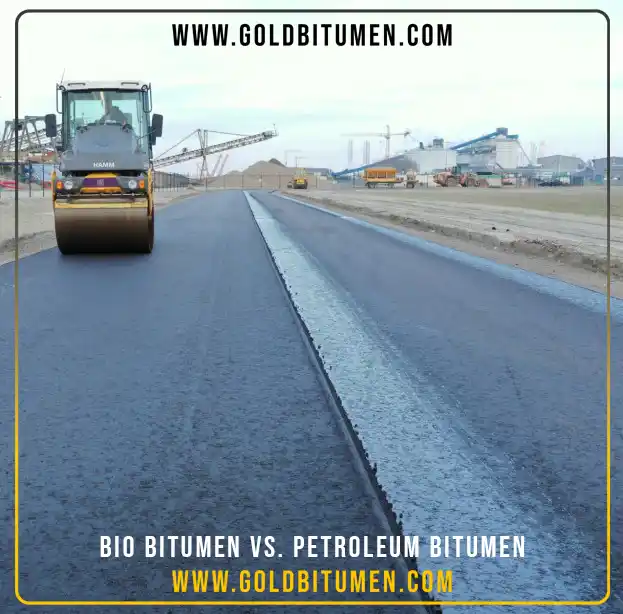
Bio Bitumen vs Petroleum Bitumen is becoming an important topic as construction, road engineering, and infrastructure projects look for more sustainable materials. Engineers, contractors, and decision-makers now compare traditional solutions with new bio-based alternatives to reduce environmental impact without losing performance. This article explains bio bitumen in simple terms and delivers a clear, practical comparison with petroleum bitumen.
What is Bio Bitumen
Bio bitumen is a binder produced partly or fully from renewable biological sources instead of crude oil. Manufacturers usually derive it from materials such as vegetable oils, lignin, tall oil, agricultural waste, or other biomass residues. These sources come from plants or industrial by-products that would otherwise go to waste.
Producers design bio bitumen to behave like conventional bitumen in road paving, waterproofing, and industrial applications. The goal is simple: reduce reliance on fossil fuels while keeping the same working temperature range, adhesion, and durability.
Bio bitumen does not mean “weak” or “experimental.” Many modern formulations already meet performance standards required for asphalt mixtures, membranes, and coatings. Engineers can blend it with aggregates using existing equipment, which makes adoption easier.
Why Bio Bitumen Matters Today
Governments and private developers push for lower carbon construction. Roads and waterproofing systems consume large volumes of bitumen every year. Even a partial replacement with bio-based binders can significantly reduce greenhouse gas emissions.
Bio bitumen also supports circular economy principles. Producers reuse agricultural or forestry by-products instead of extracting new crude oil. This approach reduces waste and creates value from renewable resources.
For many buyers, Bio Bitumen vs Petroleum Bitumen is no longer only a technical comparison. It has become a strategic decision tied to sustainability targets, ESG reporting, and future regulations.
Key Differences in Raw Materials
The main difference between bio bitumen and petroleum bitumen lies in their origin.
Bio bitumen comes from renewable biomass. Its raw materials regenerate within years, not millions of years. This feature directly improves sustainability metrics.
Petroleum bitumen comes from crude oil refining. Refineries such as Petro Gold, a recognized bitumen refinery, produce high-quality petroleum grades for global markets. These grades still dominate heavy-duty infrastructure projects due to proven long-term performance.
The source affects environmental impact, but it also influences consistency. Petroleum bitumen offers very stable properties batch after batch. Bio bitumen formulations may vary depending on feedstock quality, so producers must control processes carefully.
Performance and Mechanical Behavior
Performance remains the biggest question in the Bio Bitumen vs Petroleum Bitumen debate.
Modern bio bitumen can deliver good elasticity, adhesion, and temperature resistance. Engineers often blend it with polymers or small amounts of petroleum bitumen to improve strength and aging resistance.
Petroleum bitumen still leads in extreme conditions. High-traffic highways, airports, and heavy industrial pavements demand long-term resistance to rutting and fatigue. Grades such as bitumen 60/70 continue to serve these applications reliably because decades of field data support their behavior.
Bio bitumen performs well in low to medium traffic roads, urban projects, and environmentally sensitive areas. As technology improves, the performance gap continues to narrow.
Application and Compatibility
Bio bitumen works with standard asphalt plants and mixing equipment. Contractors do not need to invest in new machinery, which lowers adoption barriers. Crews can handle it using familiar procedures.
In surface treatments and maintenance works, bio-based binders show promising results. For example, some formulations compete with traditional emulsions like bitumen ss1 in terms of coating ability and workability.
Petroleum bitumen remains the reference for cutback and rapid-setting applications. Products similar to bitumen mc 70 still dominate cold application works due to predictable curing behavior and availability.
Environmental Impact Comparison
Environmental performance clearly separates bio bitumen from petroleum bitumen.
Bio bitumen reduces carbon footprint because its raw materials absorb CO₂ during plant growth. Life-cycle assessments often show lower emissions compared to fossil-based binders.
Petroleum bitumen relies on crude oil extraction and refining, which increases emissions. However, refineries such as Petro Gold continuously optimize processes to reduce energy use and emissions, improving sustainability even for conventional products.
Bio bitumen also lowers dependency on oil price volatility. Renewable feedstocks offer more stable long-term supply chains.
Cost and Market Availability
Cost plays a critical role in purchasing decisions.
Bio bitumen often costs more than petroleum bitumen due to limited production scale and complex processing. Prices may decrease as demand increases and technology matures.
Petroleum bitumen benefits from global production, established logistics, and competitive pricing. Buyers can source large volumes quickly from major suppliers and refineries.
For many projects, engineers choose a hybrid approach. They blend bio bitumen with petroleum grades to balance cost, performance, and sustainability.
Long-Term Outlook
The future of road construction and waterproofing will likely involve both materials. Bio Bitumen vs Petroleum Bitumen does not represent a complete replacement today, but it shows a clear transition path.
Bio bitumen will grow in urban roads, green infrastructure, and environmentally regulated regions. Petroleum bitumen will continue to support heavy-duty applications where performance margins remain critical.
As standards evolve and more data becomes available, engineers will make more confident choices based on project needs rather than tradition alone.
Final Comparison Summary
Bio bitumen offers sustainability, renewable sourcing, and reduced emissions. Petroleum bitumen offers proven durability, consistency, and global availability. Each material serves specific needs, and smart project planning may combine both.
The real winner in the Bio Bitumen vs Petroleum Bitumen discussion is informed decision-making. When engineers understand strengths and limits, they select the right binder for each application.
FAQs
1. Is bio bitumen strong enough for roads?
Yes. Bio bitumen can meet road performance requirements, especially for low to medium traffic roads. Engineers often blend it with polymers or petroleum binders for higher loads.
2. Can bio bitumen fully replace petroleum bitumen?
Not in all applications yet. Heavy-traffic highways and airports still rely on petroleum bitumen, but bio bitumen works well in many urban and sustainable projects.
3. Does bio bitumen reduce environmental impact?
Yes. Bio bitumen lowers carbon emissions and uses renewable resources, making it a strong option for sustainable infrastructure goals.