
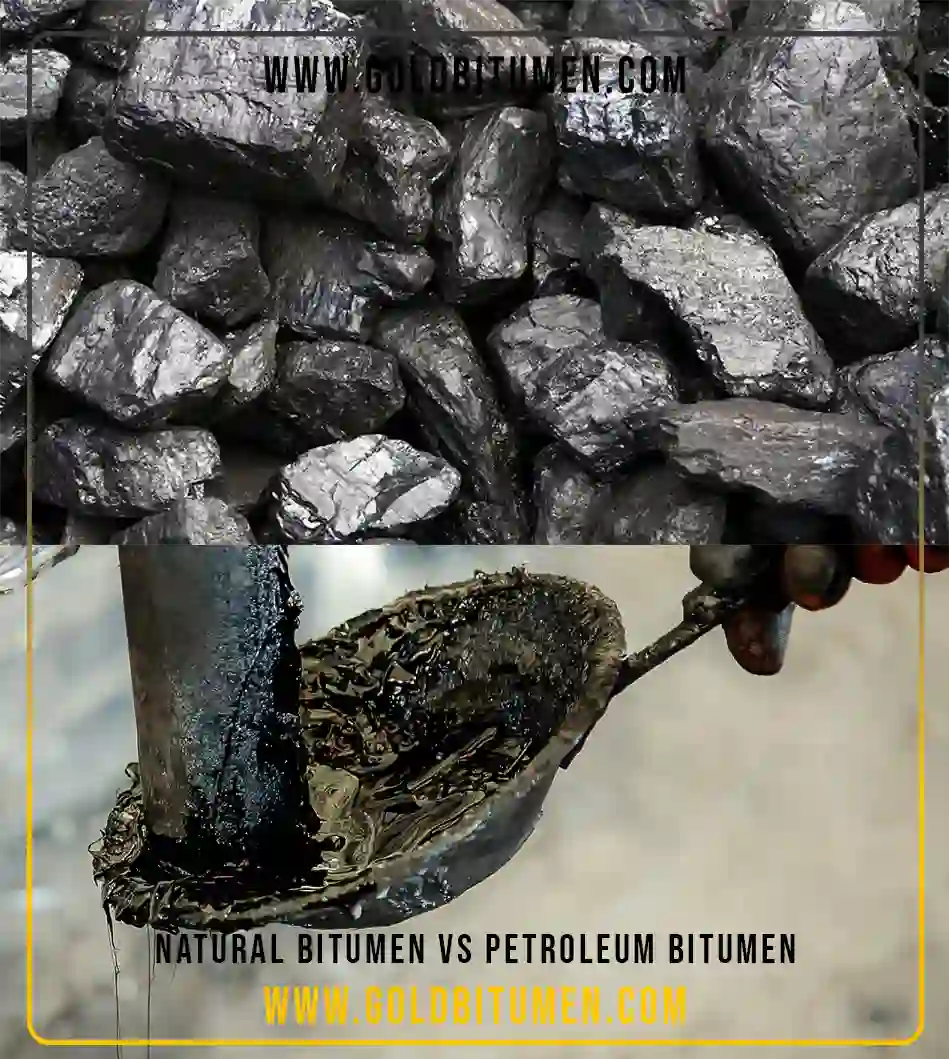
Natural bitumen vs petroleum bitumen is one of the most searched comparisons in the asphalt, construction, and industrial materials market. In simple terms, natural bitumen comes directly from nature, while petroleum bitumen comes from crude oil refining. This difference matters because it affects performance, durability, cost, and application suitability. Contractors, manufacturers, and buyers must understand these differences to choose the right material for roads, drilling fluids, waterproofing, or industrial blends.
This guide explains the difference between natural bitumen and petroleum bitumen in a clear, practical way. It helps engineers, procurement teams, and bulk buyers make confident decisions.
What Is Natural Bitumen?
Natural bitumen is a naturally occurring hydrocarbon material found in solid or semi-solid deposits. People also know it as gilsonite, asphaltite, or mineral bitumen.
It forms over millions of years through natural geological processes. Unlike refinery products, it does not require crude oil distillation.
Key Characteristics of Natural Bitumen
Natural bitumen shows unique physical and chemical traits:
High asphaltene content
Strong bonding and adhesion
High softening point
Low penetration
Excellent resistance to chemicals and water
Because of these properties, many industries use natural bitumen as a performance enhancer.
What Is Petroleum Bitumen?
Petroleum bitumen is a refinery product. Refineries produce it as a residue during crude oil distillation.
It is the most common binder used in asphalt pavements worldwide. Manufacturers control its properties through refining and air blowing.
Key Characteristics of Petroleum Bitumen
Petroleum bitumen offers:
Adjustable penetration grades
Consistent quality
Wide availability
Competitive pricing
Easy blending with additives
Because of these features, it dominates road construction and infrastructure projects.
Natural Bitumen vs Petroleum Bitumen: Core Differences
Understanding the difference between natural bitumen and petroleum bitumen becomes easier when you compare them side by side.
Origin and Production Method
Natural bitumen forms naturally and requires mining and processing.
Petroleum bitumen comes from crude oil refining in controlled facilities.
This origin difference directly affects consistency and performance.
Chemical Composition
Natural bitumen contains more asphaltenes and fewer light hydrocarbons. Petroleum bitumen contains balanced fractions of saturates, aromatics, resins, and asphaltenes.
As a result, natural bitumen offers higher stiffness and strength.
Comparison Table: Natural Bitumen vs Petroleum Bitumen
| Property | Natural Bitumen | Petroleum Bitumen |
|---|---|---|
| Source | Natural deposits | Crude oil refining |
| Asphaltene Content | Very high | Moderate |
| Softening Point | High | Adjustable |
| Penetration | Low | Variable |
| Durability | Excellent | Good to excellent |
| Main Use | Modifier, additive | Primary binder |
| Cost | Higher | Lower |
This table highlights why buyers often blend both materials.
Performance in Road Construction
Natural Bitumen in Asphalt
Contractors add natural bitumen to asphalt to improve:
Rutting resistance
High-temperature stability
Load-bearing capacity
Long-term durability
Therefore, highways and heavy-traffic roads benefit from its use.
Petroleum Bitumen in Asphalt
Petroleum bitumen acts as the main binder in asphalt mixtures. It provides flexibility and workability during paving.
However, on its own, it may soften under extreme heat. For that reason, engineers often modify it with natural bitumen or polymers.
Industrial and Specialized Applications
Uses of Natural Bitumen
Oil and gas drilling fluids
Foundry sand additives
Ink and paint formulations
Waterproofing membranes
Asphalt modification
Its high purity and strength make it valuable in specialized uses.
Uses of Petroleum Bitumen
Road paving
Roofing sheets
Dam construction
Industrial coatings
Its flexibility and availability keep it in high demand.
Durability and Weather Resistance
Durability separates these two materials clearly.
Natural bitumen resists oxidation, moisture, and chemicals extremely well. As a result, it performs better in harsh climates.
Petroleum bitumen still performs well, but aging can reduce its flexibility over time. Additives and modifiers help solve this issue.
Environmental and Sustainability Considerations
Natural bitumen requires mining, which impacts land use. However, it needs less chemical processing.
Petroleum bitumen relies on crude oil, which raises environmental concerns. Still, modern refineries reduce emissions and improve efficiency.
Recycling asphalt helps both materials achieve better sustainability profiles.
Pricing and Bulk Supply Factors
Price plays a major role in procurement decisions.
Natural bitumen costs more due to limited supply and mining expenses.
Petroleum bitumen costs less and remains widely available worldwide.
Bulk buyers often blend natural bitumen with petroleum bitumen to balance cost and performance.
For large-scale supply, manufacturers such as Petro Gold focus on consistent specifications, bulk packaging, and export-ready logistics.
Which One Should You Choose?
Choosing between natural bitumen vs petroleum bitumen depends on your project goals.
Choose natural bitumen if you need:
Higher stiffness
Better heat resistance
Strong chemical stability
Choose petroleum bitumen if you need:
Cost efficiency
Large volumes
Flexible paving solutions
In many cases, the best solution combines both.
Buyer Guide: Specifications and Quality Checks
Before buying, always check:
Penetration grade
Softening point
Ash content
Solubility
Packaging type
Reputable suppliers provide technical data sheets, certificates of analysis, and bulk shipment options.
Frequently Asked Questions (FAQs)
Q1- What is the main difference between natural bitumen and petroleum bitumen?
A) Natural bitumen comes from natural deposits, while petroleum bitumen comes from crude oil refining. This difference affects stiffness, durability, and applications.
Q2- Is natural bitumen better than petroleum bitumen?
A) Natural bitumen offers higher strength and heat resistance. However, petroleum bitumen provides flexibility and lower cost. The best choice depends on use.
Q3- Can natural bitumen replace petroleum bitumen?
A) Natural bitumen usually acts as a modifier, not a full replacement. Engineers often blend it with petroleum bitumen.
Q4- Which bitumen is better for hot climates?
A) Natural bitumen performs better in hot climates because it resists softening and rutting.
Q5- Is petroleum bitumen cheaper?
A) Yes, petroleum bitumen generally costs less due to large-scale refinery production.
Q6- Do suppliers offer blended solutions?
A) Yes, many manufacturers supply customized blends to match project requirements.
Final Note
Understandingnatural bitumen vs petroleum bitumen helps buyers reduce costs, improve performance, and extend project life. With clear specifications and the right supplier, you can select the best solution for your technical and commercial needs.