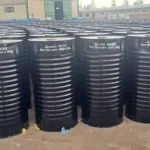


The bitumen market Afghanistan is entering a strong growth phase in 2026. As infrastructure projects expand across the country, the need for high-quality construction materials continues to rise. Roads, highways, and urban developments all depend on bitumen as a core material. For buyers and contractors, understanding market trends helps them make better purchasing decisions and […]


The global bitumen market in 2026 is going through a noticeable shift. From changes in crude oil refining patterns to regional supply disruptions, production is no longer as stable or predictable as it used to be. For buyers, contractors, and suppliers, understanding what’s happening behind the scenes in bitumen production is becoming more important than […]
In today’s construction landscape, selecting the right bitumen grade is no longer just a technical decision—it’s a strategic one. When comparing Bitumen 60/70 vs Bitumen VG 30, the conversation goes beyond simple classification and moves into performance, longevity, and overall project value. Both grades are widely used across global markets, yet their differences can directly impact road […]

Bitumen emulsion has changed the way modern roads are built. It allows contractors to apply asphalt without heating it to extreme temperatures. It improves safety, reduces fuel consumption, and lowers environmental impact. But how exactly is emulsion bitumen produced? In this guide, we explain the Emulsion Bitumen Production Process step by step — clearly, technically, […]
Recycled bitumen is not just a trend. It is a practical, field proven solution for reducing costs, lowering environmental impact, and improving material efficiency in modern road and waterproofing projects. At Petro Gold, we have seen how reclaimed asphalt and recovered binders can be processed, tested, and upgraded to deliver reliable performance in real industrial […]

Bio Bitumen vs Petroleum Bitumen is becoming an important topic as construction, road engineering, and infrastructure projects look for more sustainable materials. Engineers, contractors, and decision-makers now compare traditional solutions with new bio-based alternatives to reduce environmental impact without losing performance. This article explains bio bitumen in simple terms and delivers a clear, practical comparison […]
The Cutback Bitumen Production Process explains how refineries convert solid or semi solid paving bitumen into a fluid material that crews can spray, mix, and apply at lower temperatures. This process matters in real projects because many roadworks, maintenance jobs, and remote construction sites cannot heat bitumen easily or safely. By blending bitumen with controlled […]
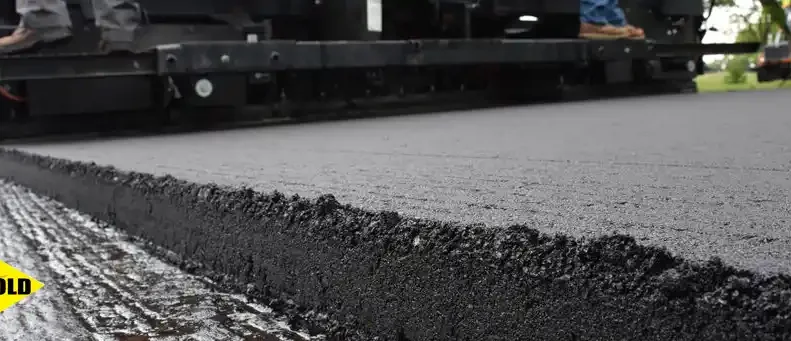
Smart asphalt represents a new way of thinking about road construction. Instead of acting as a passive surface, this advanced asphalt system responds to traffic loads, temperature changes, and long-term stress. As a result, roads last longer, perform better, and require fewer unexpected repairs. Infrastructure owners now face higher traffic volumes, heavier vehicles, and stricter […]
bitumen for airport runways operates under far more severe conditions than road asphalt. Aircraft loads exceed highway traffic loads by several multiples, and braking forces concentrate stress in limited surface areas. Airport runway bitumen must handle: Extremely high wheel loads Slow moving and static aircraft pressure Intense shear forces during landing and takeoff Continuous exposure […]
Cold mix bitumen is an asphalt material that producers create by coating aggregates with bitumen at ambient temperature using emulsions or controlled solvents. This product matters because it allows road maintenance and repairs without heating, which makes it practical for remote locations, cold weather, emergency works, and low-traffic roads. Contractors, municipalities, and maintenance teams choose […]