
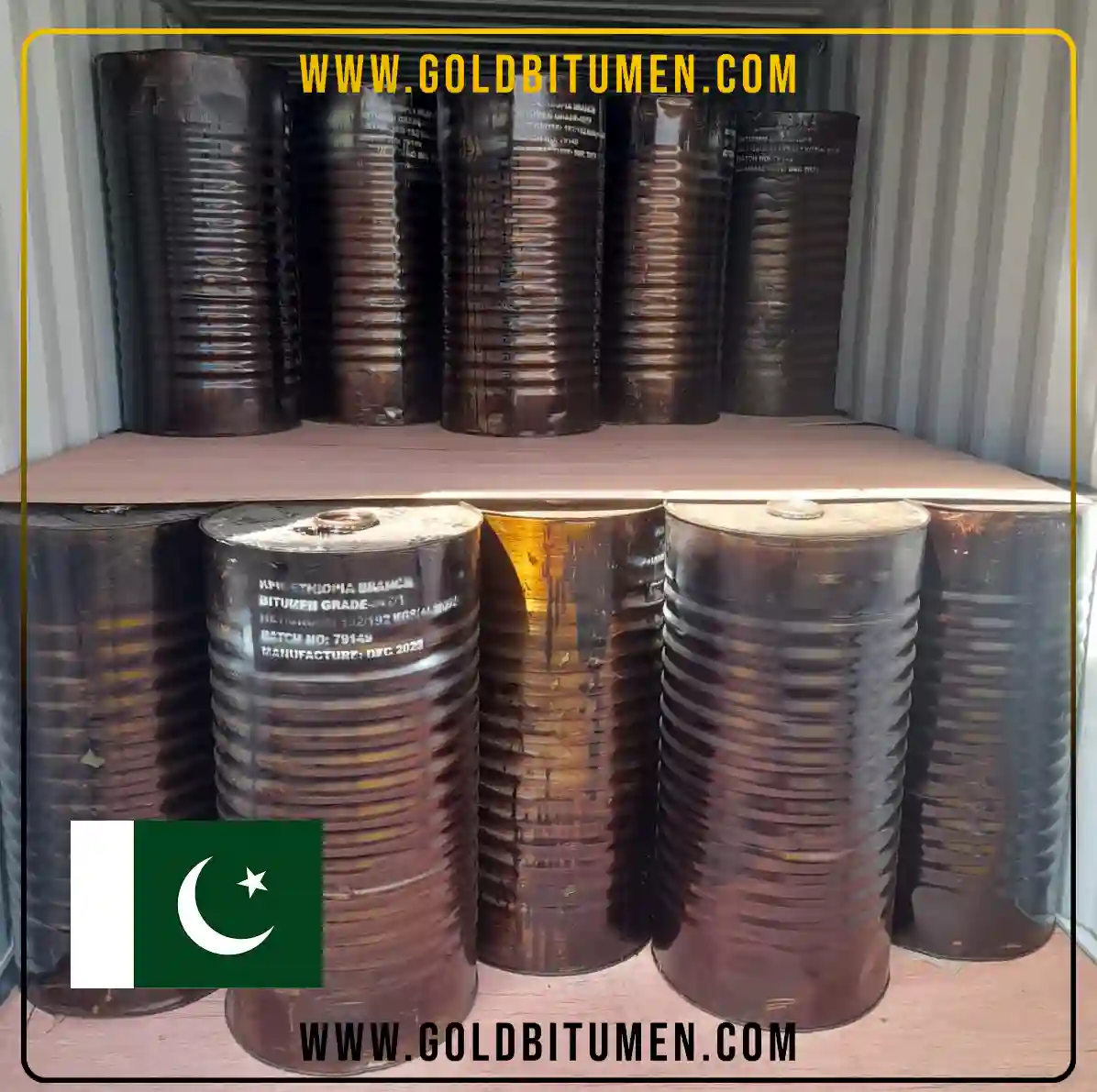
Introduction to Bitumen in Road Construction
Bitumen plays a key role in building strong and long-lasting roads in Pakistan. It works as a binder that holds asphalt mixtures together and gives roads flexibility and strength. Since Pakistan has a mix of extreme heat, heavy traffic, and seasonal rainfall, choosing the right bitumen grade becomes very important for road durability.
Road networks across Pakistan face rapid wear and tear. That is why engineers carefully select bitumen that can handle pressure, temperature changes, and moisture.
Understanding Bitumen Grades
Bitumen grades describe how hard or soft the material is. They are usually measured using penetration value, which shows how deeply a standard needle can go into bitumen under specific conditions.
A lower penetration value means harder bitumen, while a higher value means softer bitumen. This classification helps engineers choose the right material for specific climates and road conditions.
Climate Conditions in Pakistan and Their Impact
Pakistan has diverse weather conditions:
- Extremely hot summers in Sindh and Punjab
- Cold winters in northern areas
- Monsoon rains in many regions
These variations affect road performance. In hot areas, softer bitumen may melt or deform, while in colder regions, harder bitumen may crack.
So, selecting the right bitumen grade is essential for long-lasting roads.
Common Bitumen Grades Used in Pakistan
Pakistan commonly uses the following bitumen grades:
- 60/70 bitumen grade
- 80/100 bitumen grade
- Performance Grade (PG) bitumen
- Polymer Modified Bitumen (PMB)
Each grade serves different road conditions and traffic loads.
Why Bitumen Grade Selection Matters
Choosing the wrong bitumen can lead to:
- Road cracking
- Rutting (deformation)
- High maintenance costs
- Reduced road lifespan
Proper selection ensures safety, smooth driving, and cost efficiency.
Best Bitumen Grade for Pakistan Roads
The best bitumen grade for Pakistan roads is generally 60/70 penetration grade bitumen for most highways and urban roads.
However, for high-temperature areas and heavy traffic, polymer-modified bitumen (PMB) performs even better.
In colder regions, slightly softer grades like 80/100 may be used.
So, the ideal selection depends on:
- Climate zone
- Traffic load
- Road type
60/70 Bitumen Grade Explained
60/70 bitumen is widely used in Pakistan.
Key Features:
- Medium hardness
- Good resistance to deformation
- Suitable for hot climates
Usage:
- Highways
- Urban roads
- Medium to heavy traffic roads
This grade offers a balance between flexibility and strength.
80/100 Bitumen Grade Explained
Bitumen grade 80/100 is softer compared to 60/70.
Advantages:
- Better flexibility in cold regions
- Easier mixing during construction
Limitations:
- Not suitable for heavy traffic
- Can deform in high heat
It is mostly used in cooler regions or light traffic roads.
Performance Grade (PG) Bitumen
Performance Grade (PG) bitumen is a modern system based on temperature performance.
It is designed to handle:
- Extreme heat
- Cold cracking resistance
- Heavy traffic loads
PG bitumen is becoming more popular in advanced road projects in Pakistan due to its reliability.
Modified Bitumen in Pakistan
Polymer Modified Bitumen (PMB) is enhanced with additives like polymers.
Benefits:
- Higher durability
- Better elasticity
- Resistant to rutting and cracking
It is used on motorways, airports, and heavily loaded highways.
Heavy Traffic Roads Requirements
Roads with heavy traffic need stronger materials.
Such roads include:
- Motorways
- Industrial routes
- City highways
For these, PMB or high-quality 60/70 bitumen is preferred because they resist deformation under pressure.
Rural and Urban Road Differences
Urban roads face:
- Stop-and-go traffic
- Heat absorption from buildings
Rural roads face:
- Lower traffic volume
- Natural weather exposure
Urban roads often need stronger bitumen, while rural roads may use softer grades depending on usage.
Quality Testing of Bitumen
Before use, bitumen is tested using:
- Penetration test
- Softening point test
- Ductility test
These tests ensure that the bitumen meets construction standards and performs well in real conditions.
Common Mistakes in Bitumen Selection
Many road failures happen due to mistakes like:
- Using the wrong grade for climate
- Ignoring traffic load
- Poor mixing during construction
- Cost-cutting on quality materials
Avoiding these mistakes improves road life significantly.
Government Standards in Pakistan
Pakistan follows guidelines from road authorities to maintain quality.
These standards ensure:
- Proper grading
- Safe construction practices
- Long-lasting infrastructure
Future of Bitumen Technology in Pakistan
The future of road construction in Pakistan is moving toward:
- Eco-friendly bitumen
- Polymer-based materials
- Recycled asphalt technology
- Smart road materials
These innovations aim to reduce costs and increase road lifespan.
FAQs About Best Bitumen Grade for Pakistan Roads
Q1: What is the most commonly used bitumen grade in Pakistan?
The 60/70 penetration grade is the most commonly used for highways and city roads.
Q2: Which bitumen is best for hot areas in Pakistan?
60/70 and polymer modified bitumen work best in high-temperature regions.
Q3: Is 80/100 bitumen suitable for highways?
No, it is better suited for light traffic and cooler regions.
Q4: What is PMB in road construction?
PMB stands for Polymer Modified Bitumen, which improves strength and durability.
Q5: Why do roads fail in Pakistan quickly?
Main reasons include wrong bitumen grade, poor construction, and heavy traffic loads.
Q6: Which bitumen lasts the longest?
Polymer modified bitumen usually lasts the longest due to its improved properties.
Conclusion
Selecting the best bitumen grade for Pakistan roads is critical for building durable, safe, and cost-effective infrastructure. While 60/70 grade remains the standard choice, advanced options like polymer modified bitumen are becoming the future of road construction in Pakistan.
The right selection depends on climate, traffic, and road purpose. With proper engineering and material use, Pakistan can significantly improve its road quality and reduce maintenance costs.