
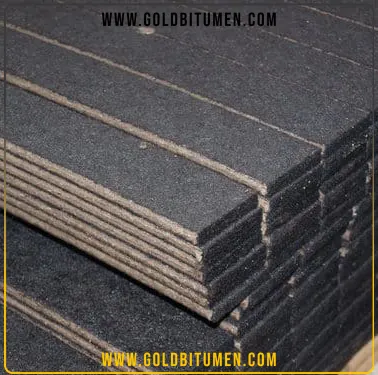
Modern infrastructure faces constant pressure from temperature changes, traffic loads, moisture, and structural movement. As a result, engineers and contractors need effective solutions that protect structures from cracking and premature failure. One of the most trusted solutions in road, bridge, pavement, and concrete construction is the bitumen expansion joint.
A bitumen expansion joint provides flexibility between adjoining construction elements, allowing structures to expand and contract without damage. Because of its excellent sealing properties, durability, and cost-effectiveness, it remains a preferred choice in many civil engineering projects worldwide.
What Is a Bitumen Expansion Joint?
A bitumen expansion joint is a compressible filler material manufactured from bitumen, fibers, and other reinforcing components. Contractors install it between concrete slabs, bridge decks, pavements, airport runways, retaining walls, and building structures to accommodate movement caused by temperature fluctuations and load stress.
As concrete expands during hot weather and contracts during colder conditions, it creates stress within the structure. Without proper expansion joints, this stress can lead to cracks, spalling, and structural deterioration. Therefore, bitumen-based expansion joints absorb movement and maintain the integrity of the construction.
Many professionals also refer to bitumen expansion joints using related industry terms such as:
- Bitumen joint filler
- Bituminous expansion joint filler
- Asphalt expansion joint
- Expansion joint filler board
- Bitumen fiber board
- Joint sealing board
- Compressible joint filler
- Premolded expansion joint filler
- Expansion joint board
- Bituminous fiber filler board
These terms often appear in construction specifications and engineering documentation.
Why Expansion Joints Are Essential in Construction
Every concrete structure experiences movement throughout its service life. Temperature variations, moisture changes, settlement, vibration, and heavy traffic all contribute to structural movement.
Consequently, expansion joints perform several critical functions:
- Prevent concrete cracking
- Absorb thermal expansion and contraction
- Reduce structural stress
- Improve durability
- Enhance waterproofing performance
- Extend service life
- Minimize maintenance costs
Without proper expansion joints, even high-quality concrete structures can develop serious defects over time.
Key Components of a Bitumen Expansion Joint
Manufacturers produce bitumen expansion joints using carefully selected raw materials to achieve flexibility and durability.
The primary components include:
1. Bitumen
Bitumen serves as the binding and waterproofing agent. It provides flexibility while maintaining resistance to water penetration.
2. Natural and Synthetic Fibers
Fibers strengthen the filler board and improve its compressive properties. Moreover, they help maintain dimensional stability during movement.
3. Mineral Fillers
Manufacturers often add mineral fillers to improve density, durability, and resistance to environmental conditions.
4. Reinforcing Materials
Some premium products contain additional reinforcement that enhances performance under heavy loads and repeated movement cycles.
Benefits of Using Bitumen Expansion Joints
The growing demand for bitumen expansion joints results from their numerous advantages.
Excellent Flexibility
Bitumen expansion joints compress and recover effectively during structural movement. Therefore, they reduce stress concentrations and prevent cracking.
Superior Waterproofing
Water infiltration causes significant damage to concrete structures. However, bituminous filler boards create an effective barrier against moisture penetration.
Cost-Effective Solution
Compared with complex expansion joint systems, bitumen joint fillers offer a highly economical alternative while delivering reliable performance.
Easy Installation
Contractors can cut, shape, and install bitumen expansion boards quickly. As a result, project timelines become shorter and labor costs decrease.
Long Service Life
High-quality bituminous expansion joints withstand weather exposure, traffic loads, and environmental stresses for many years.
Chemical Resistance
Many bitumen-based expansion fillers resist oils, salts, and mild chemicals commonly encountered in infrastructure projects.
Common Applications of Bitumen Expansion Joint Fillers
Bitumen expansion joints serve a wide range of construction applications.
Road pavements experience constant thermal movement and traffic loading. Therefore, engineers install bitumen joint fillers between concrete sections to prevent cracking and surface deterioration.
Bridge Decks
Bridges face substantial expansion and contraction due to temperature fluctuations. Consequently, expansion joint filler boards help maintain structural stability and safety.
Airport Runways
Aircraft loads create significant stress on runway surfaces. For this reason, airport authorities often specify high-performance bituminous expansion joint systems.
Sidewalks and Pavements
Pedestrian pathways require movement accommodation to avoid uneven surfaces and cracking. Bitumen expansion joints provide an effective solution.
Water Retaining Structures
Reservoirs, canals, dams, and water treatment facilities frequently utilize expansion joint filler boards to improve watertightness.
Industrial Floors
Factories and warehouses use expansion joints to manage movement caused by temperature variations and heavy equipment operations.
Parking Structures
Multi-level parking facilities experience both thermal and load-related movement. Therefore, bitumen expansion joint fillers help preserve structural integrity.
Bitumen Expansion Joint vs Other Expansion Joint Materials
Construction professionals often compare bitumen expansion joints with alternative materials.
| Feature | Bitumen Expansion Joint | Rubber Expansion Joint | Foam Expansion Joint |
|---|---|---|---|
| Cost | Low | High | Moderate |
| Waterproofing | Excellent | Good | Moderate |
| Flexibility | Excellent | Excellent | Good |
| Installation | Easy | Moderate | Easy |
| Durability | High | Very High | Moderate |
| Maintenance | Low | Moderate | Moderate |
Although each material has specific advantages, bituminous expansion joints continue to dominate many infrastructure applications because they combine affordability with dependable performance.
Important Properties of High-Quality Bituminous Expansion Joint Fillers
When selecting an expansion joint filler, engineers should evaluate several performance characteristics.
Compressibility of Bituminous Expansion Joint
The material must compress under pressure without losing structural integrity.
Recovery Ability of Bituminous Expansion Joint
After compression, the filler should recover sufficiently to accommodate future movement cycles.
Water Resistance
Effective resistance to moisture prevents deterioration and protects surrounding concrete.
Durability
Long-term performance under varying environmental conditions remains essential.
Thermal Stability
The filler must maintain its properties across a wide temperature range.
Load Resistance
The material should withstand traffic loads and structural pressures without excessive deformation.
Installation Guidelines Expansion Joint Technology
Proper installation significantly affects expansion joint performance.
Surface Preparation
First, clean all surfaces thoroughly. Remove dust, debris, oil, and loose particles to ensure proper placement.
Accurate Measurement
Next, measure the joint dimensions carefully. Accurate sizing helps achieve optimal movement accommodation.
Board Placement
Install the bitumen expansion joint filler vertically and securely within the designated joint space.
Alignment Verification
After placement, verify that the board remains properly aligned throughout its length.
Sealant Application
For enhanced waterproofing, apply a compatible joint sealant on the exposed surface where required.
Final Inspection
Finally, inspect the installation to confirm compliance with project specifications and engineering standards.
Factors Affecting Performance of bitumen expansion joint
Several factors influence the effectiveness of a bitumen expansion joint system.
Temperature Extremes
Extreme heat and cold can affect material behavior. Therefore, selecting products designed for local climate conditions remains important.
Traffic Volume
Higher traffic loads require stronger and more durable expansion joint filler materials.
Water Exposure
Structures exposed to constant moisture need superior waterproofing performance.
Installation Quality
Even premium materials may fail if installers do not follow proper installation procedures.
Material Quality
High-quality products from reputable manufacturers consistently deliver better long-term results.
Sustainability Advantages of Expansion Joint Technology
Sustainable construction practices have become increasingly important worldwide. Fortunately, bitumen expansion joints support sustainability objectives in several ways.
First, they extend the service life of structures, reducing repair and replacement requirements. Second, they minimize maintenance-related material consumption. Third, many manufacturers incorporate recycled materials into production processes. As a result, construction projects can reduce their environmental footprint while maintaining performance standards.
Choosing a Trusted Bitumen Supplier
The quality of bitumen plays a major role in expansion joint performance. Therefore, contractors and project owners should source materials from reliable suppliers with proven expertise in bitumen production and refining.
One recognized name in the industry is Petro Gold, a reputable bitumen refinery and supplier known for providing high-quality bitumen products for infrastructure, road construction, waterproofing, and industrial applications. By maintaining strict quality control standards, Petro Gold supports contractors and engineers who require consistent and reliable bitumen solutions for demanding projects.
Future Trends in Expansion Joint Technology
The construction industry continues to evolve rapidly. Consequently, manufacturers are developing advanced bituminous expansion joint materials with improved durability, enhanced flexibility, and greater environmental sustainability.
Emerging innovations include:
- High-performance modified bitumen fillers
- Improved fiber reinforcement technologies
- Enhanced waterproofing systems
- Longer service-life formulations
- Eco-friendly manufacturing processes
- Smart infrastructure integration
These developments will further strengthen the role of bitumen expansion joints in modern construction.